




Furniture Inventory for Multi-Branch Cafés: Codes, Locations and Renewal Records

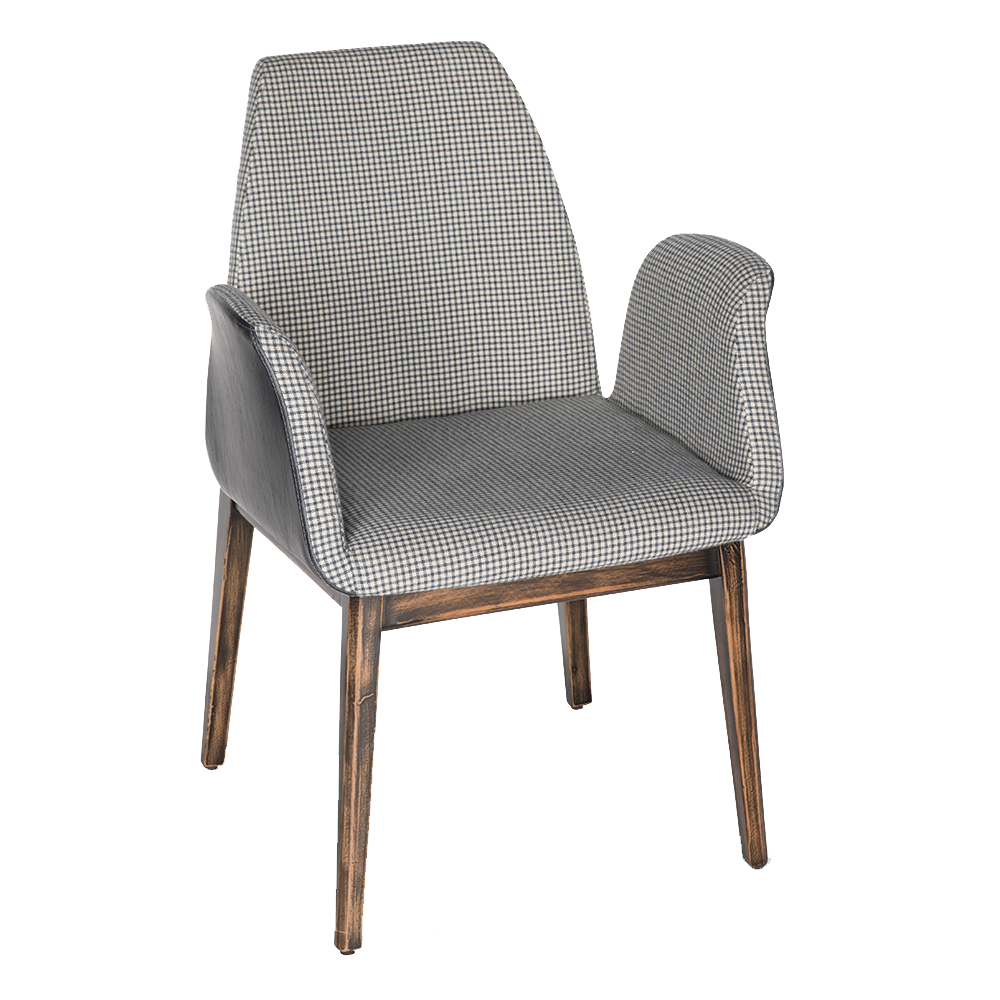
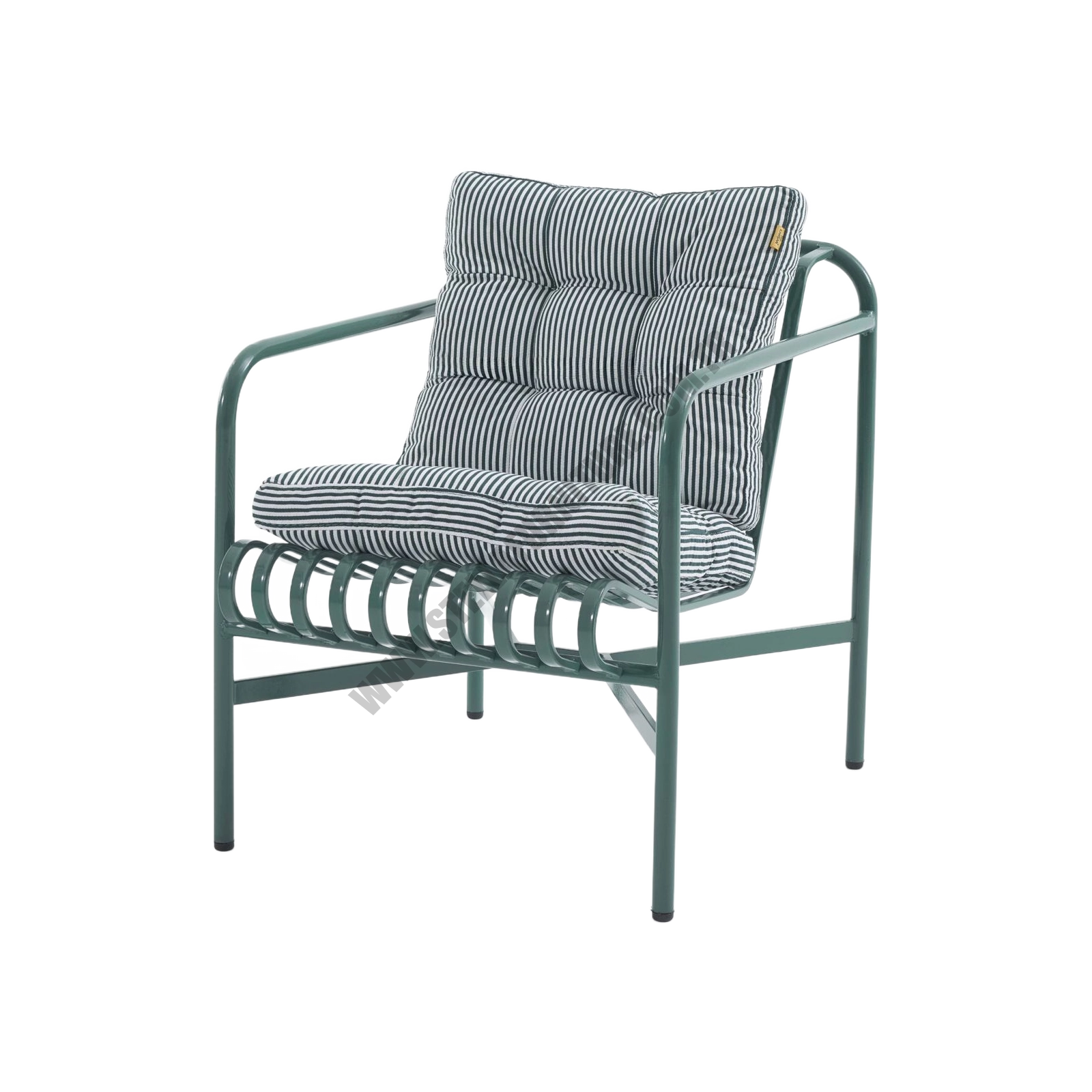
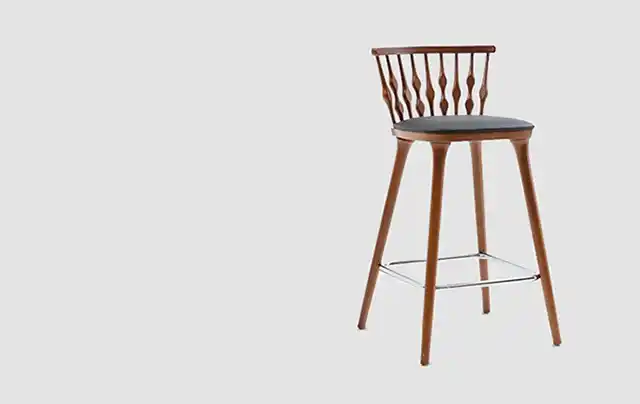
When a new branch opens, the furniture list often contains only names and quantities. As the business grows, chairs bought under the same name may turn out to have different upholstery, legs or dimensions. Treat the inventory as an operational record, not just a purchasing document. Include branch, zone, model, colour or fabric code, quantity and last inspection date. Keep one master list with clear editing responsibility instead of separate team files. Staff can then understand the current position without recounting every venue.
Separate model families from individual items
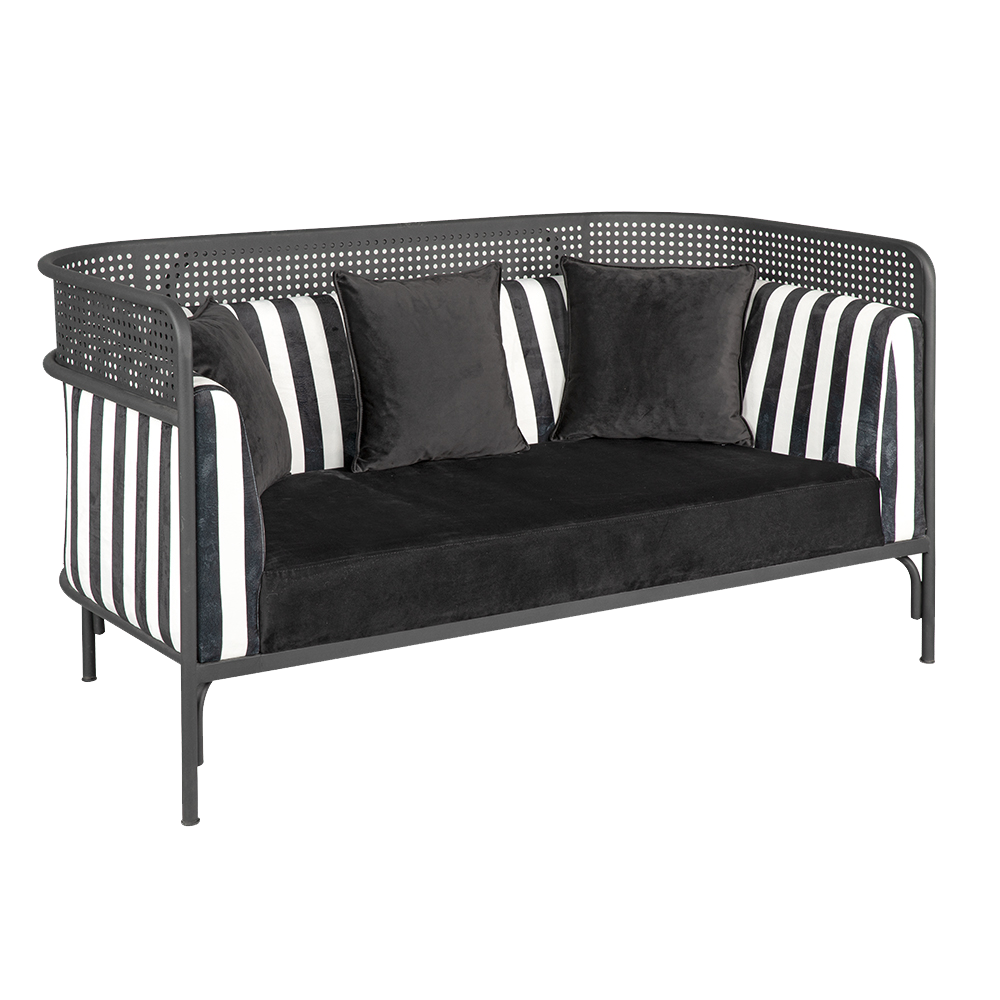
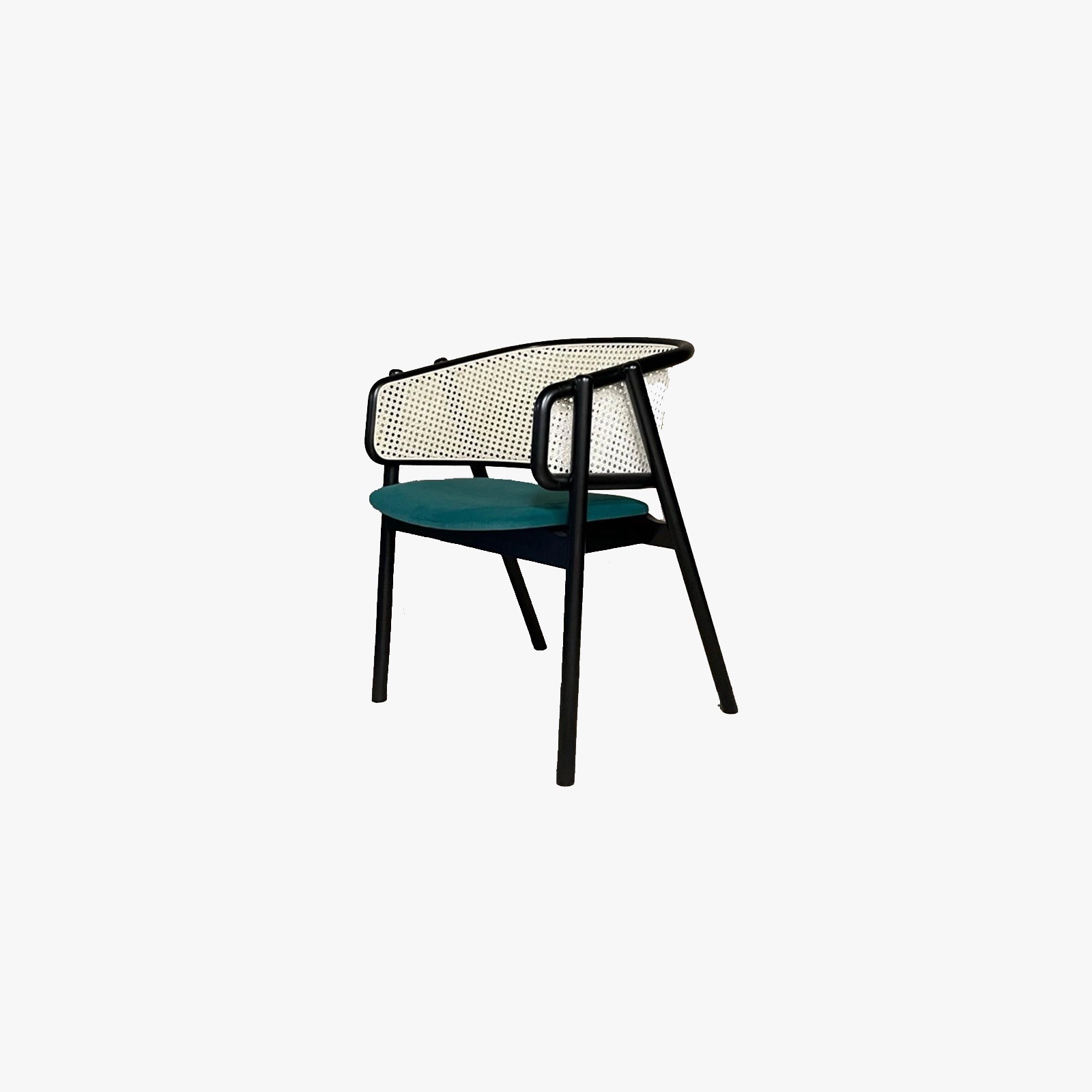
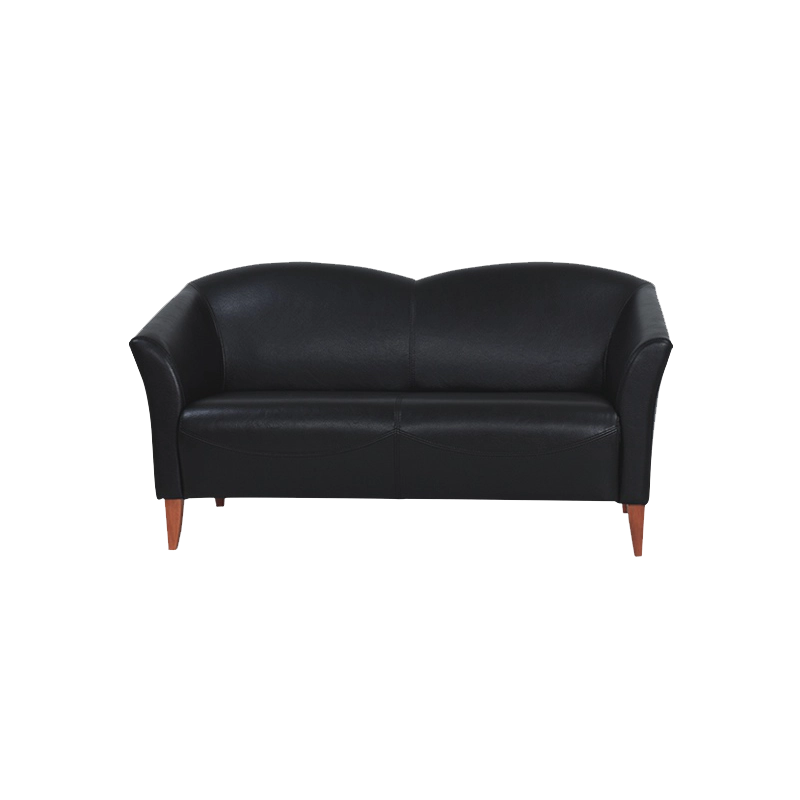
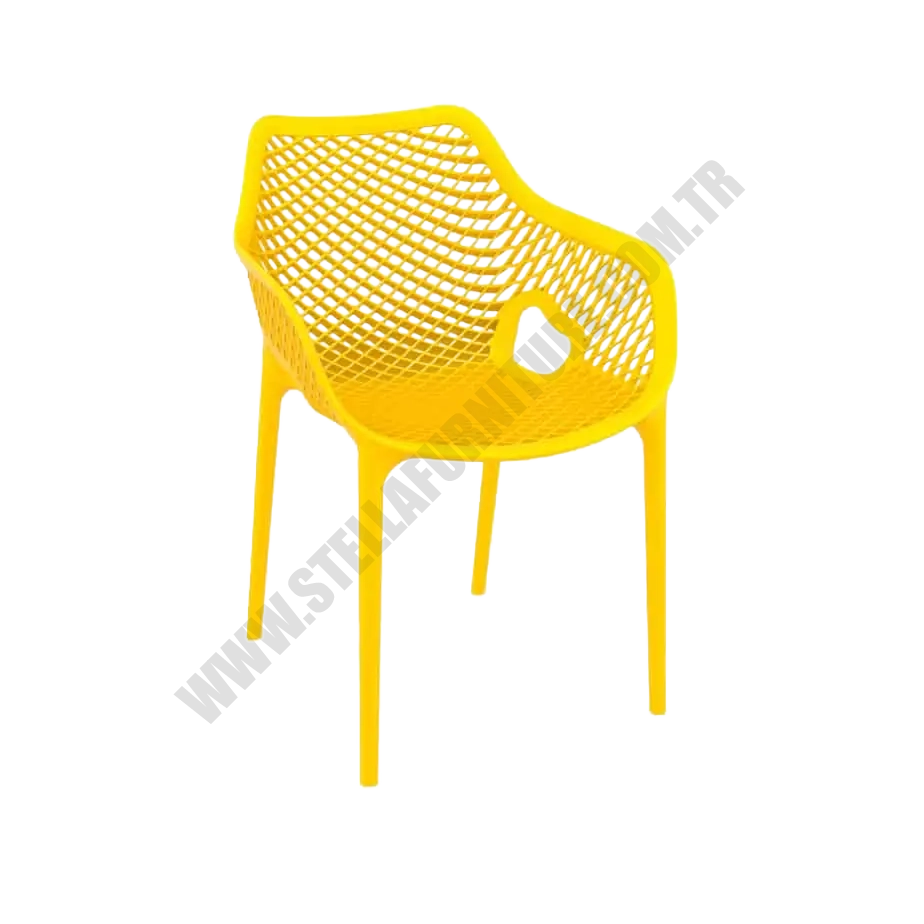
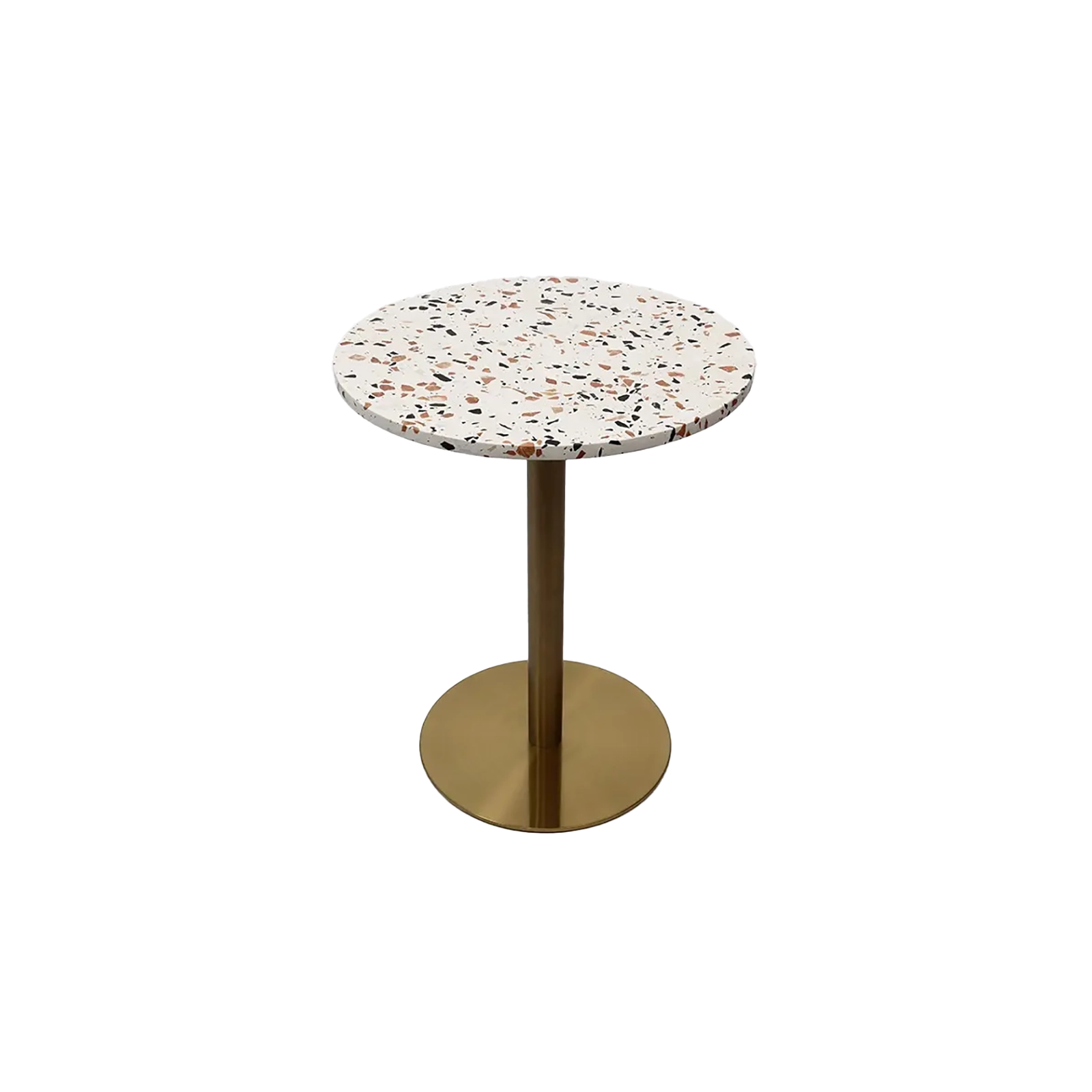
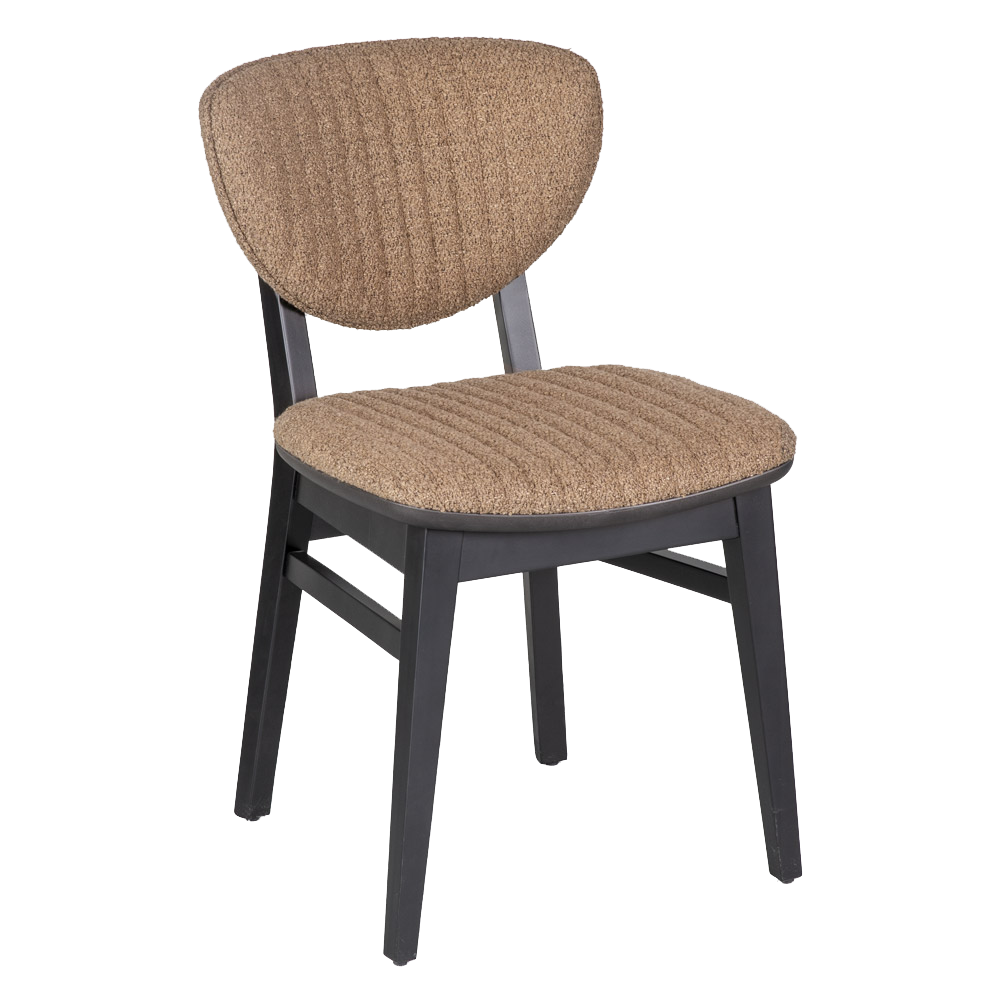
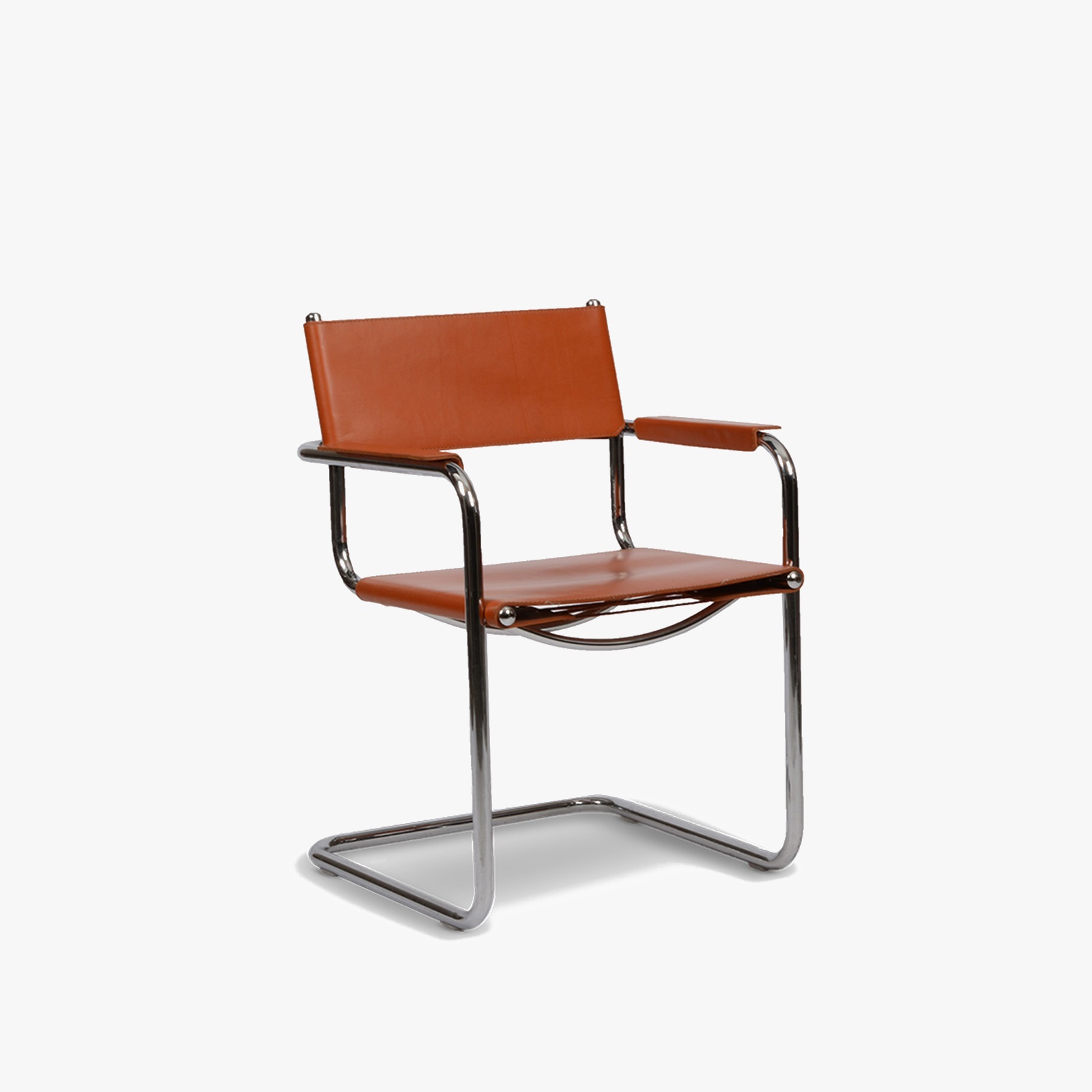
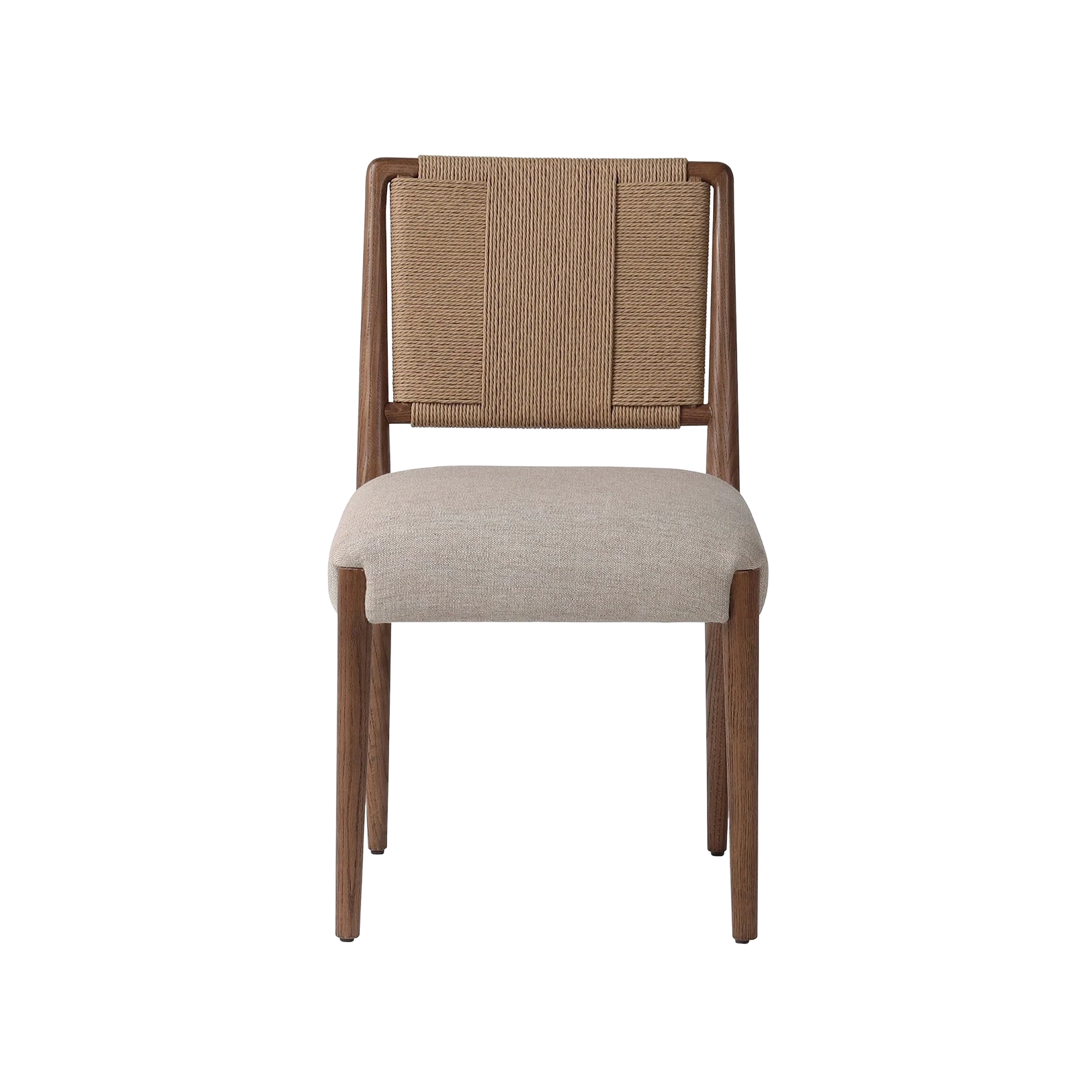
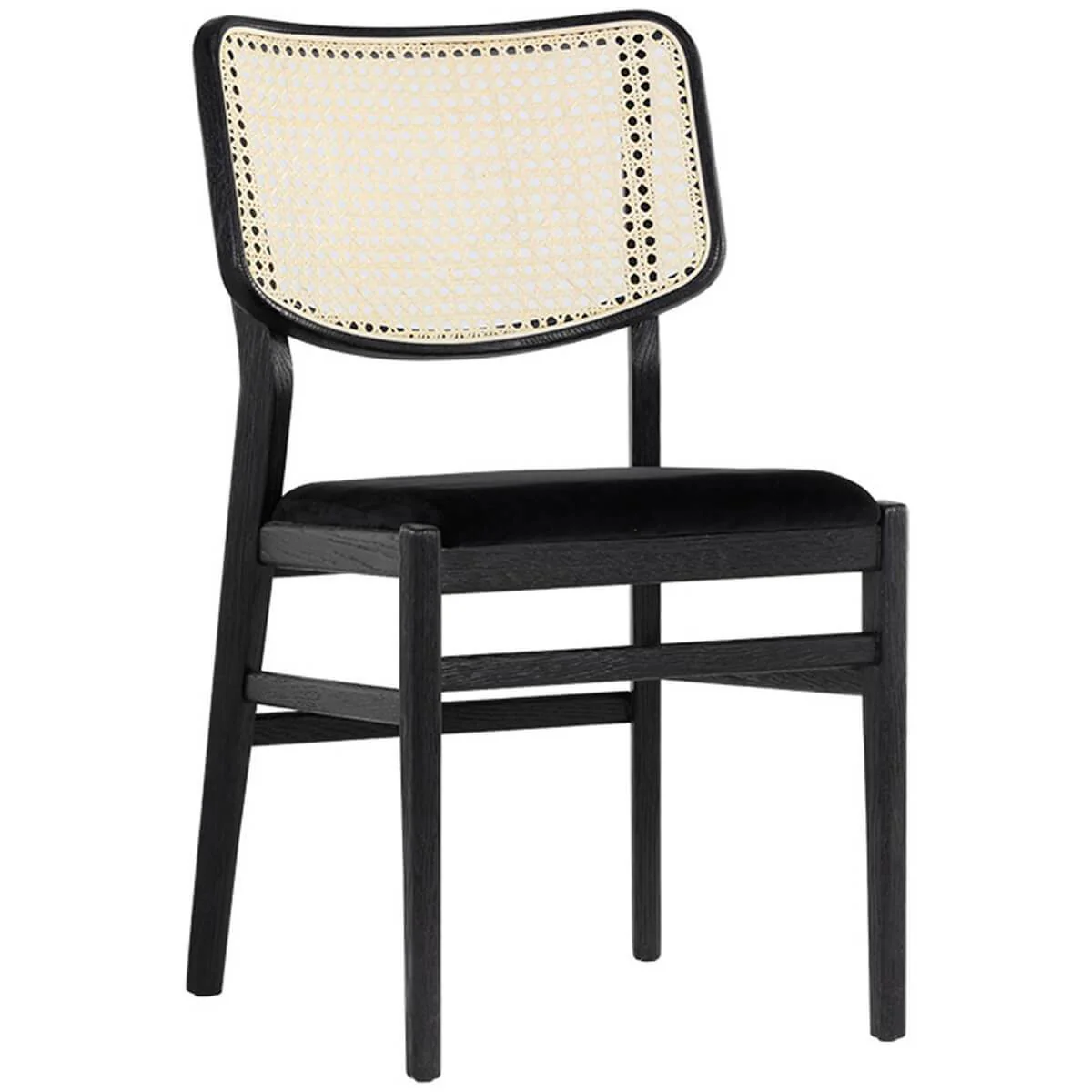
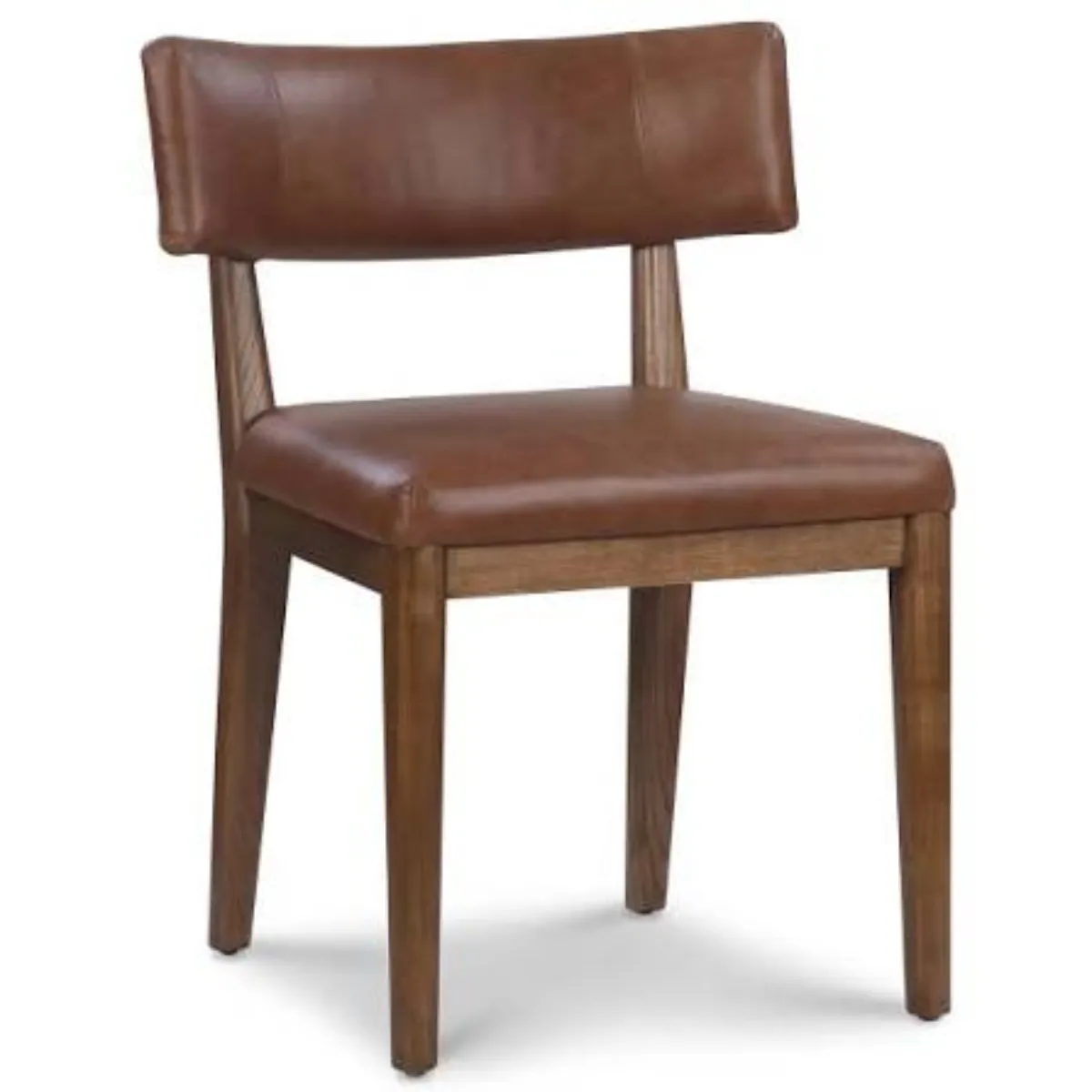
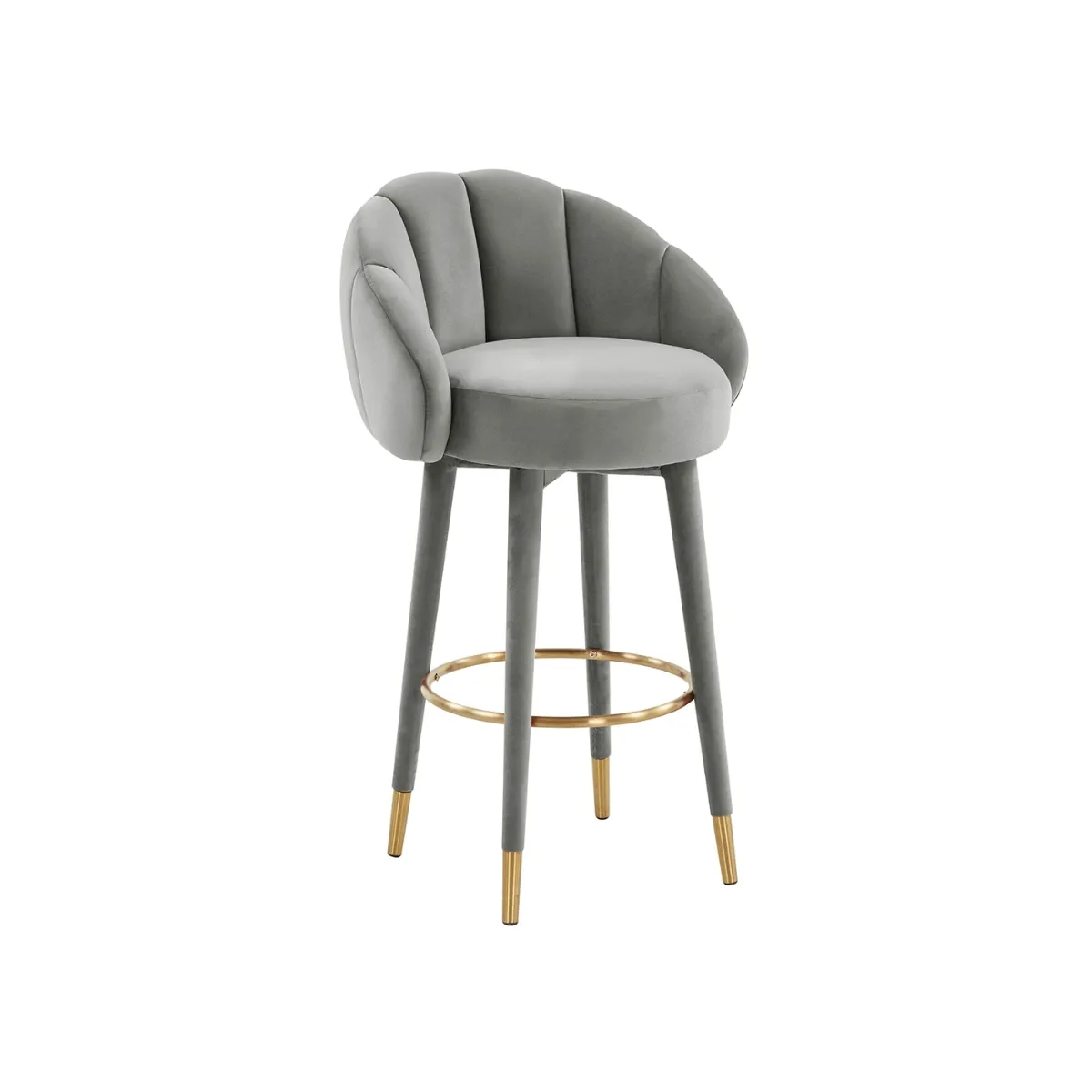
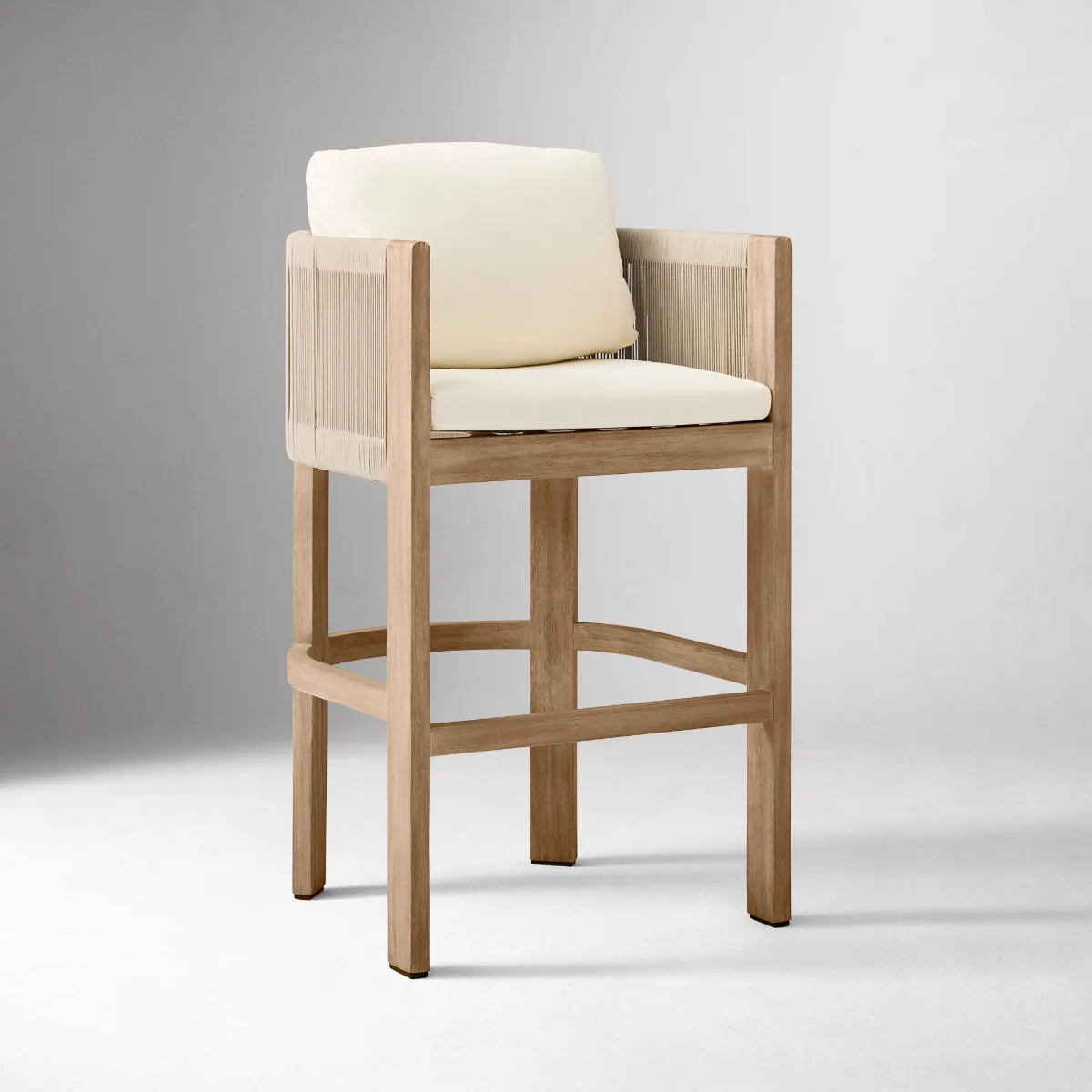
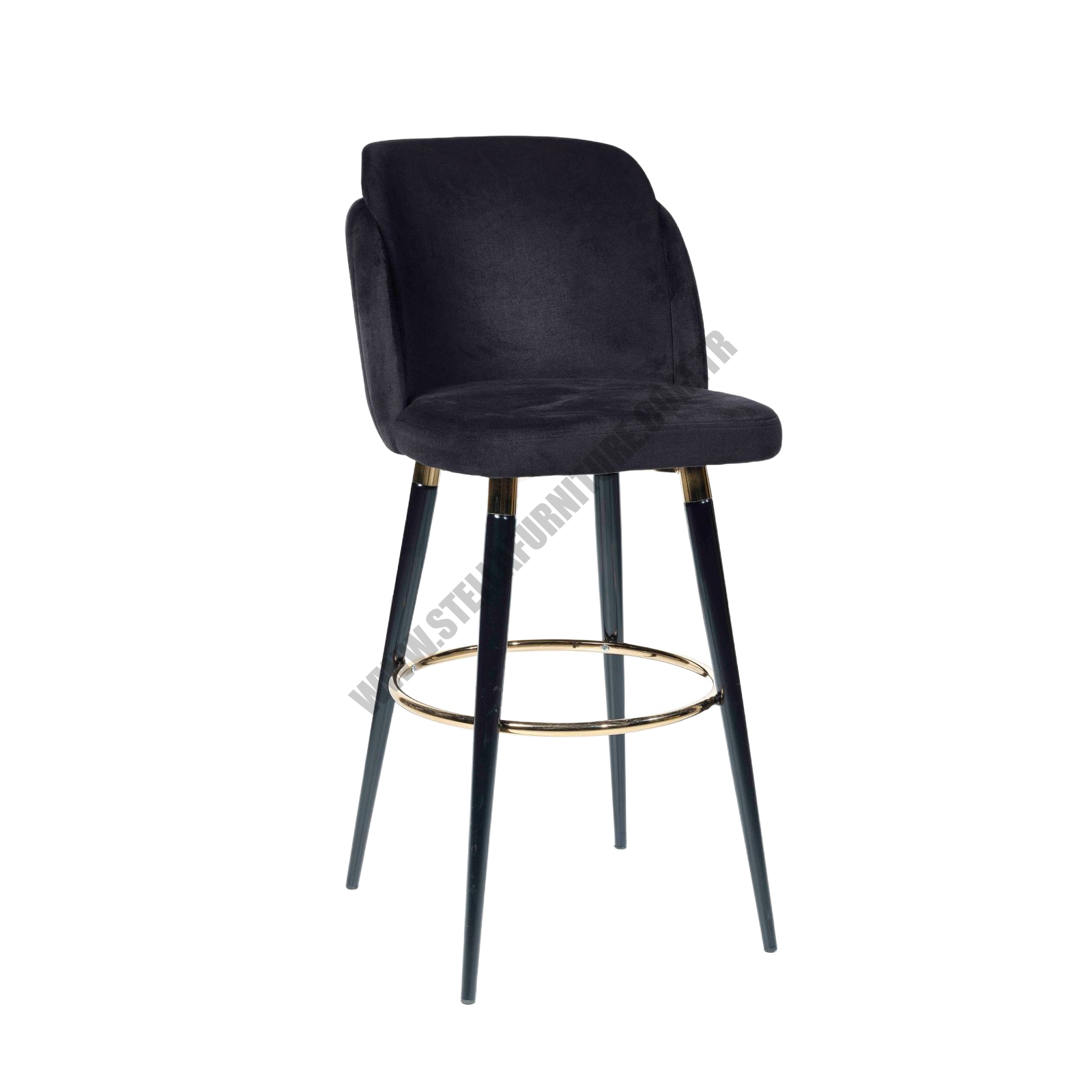
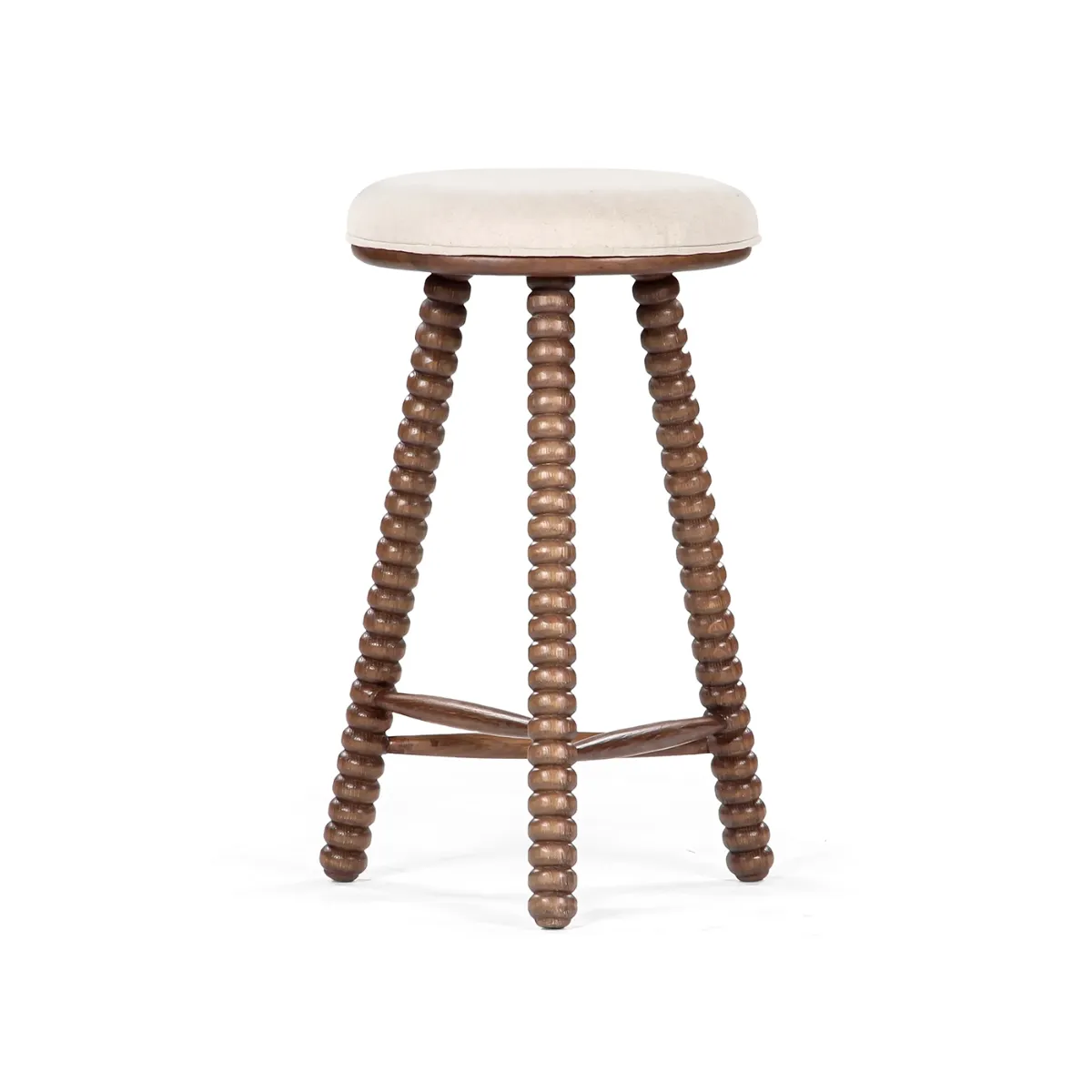
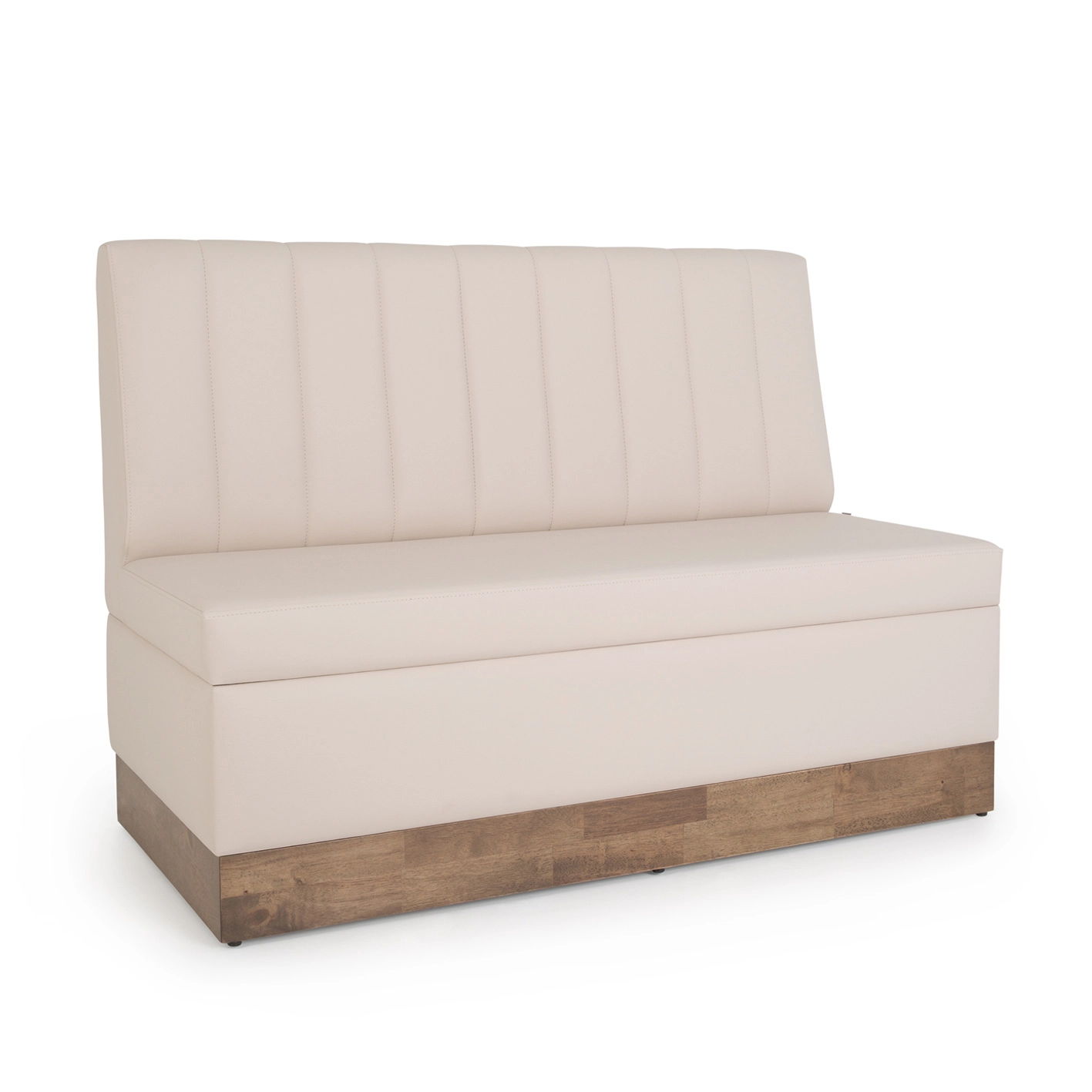
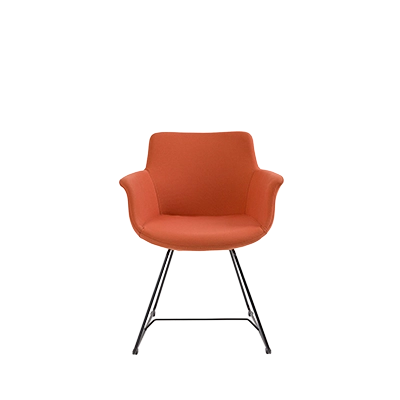
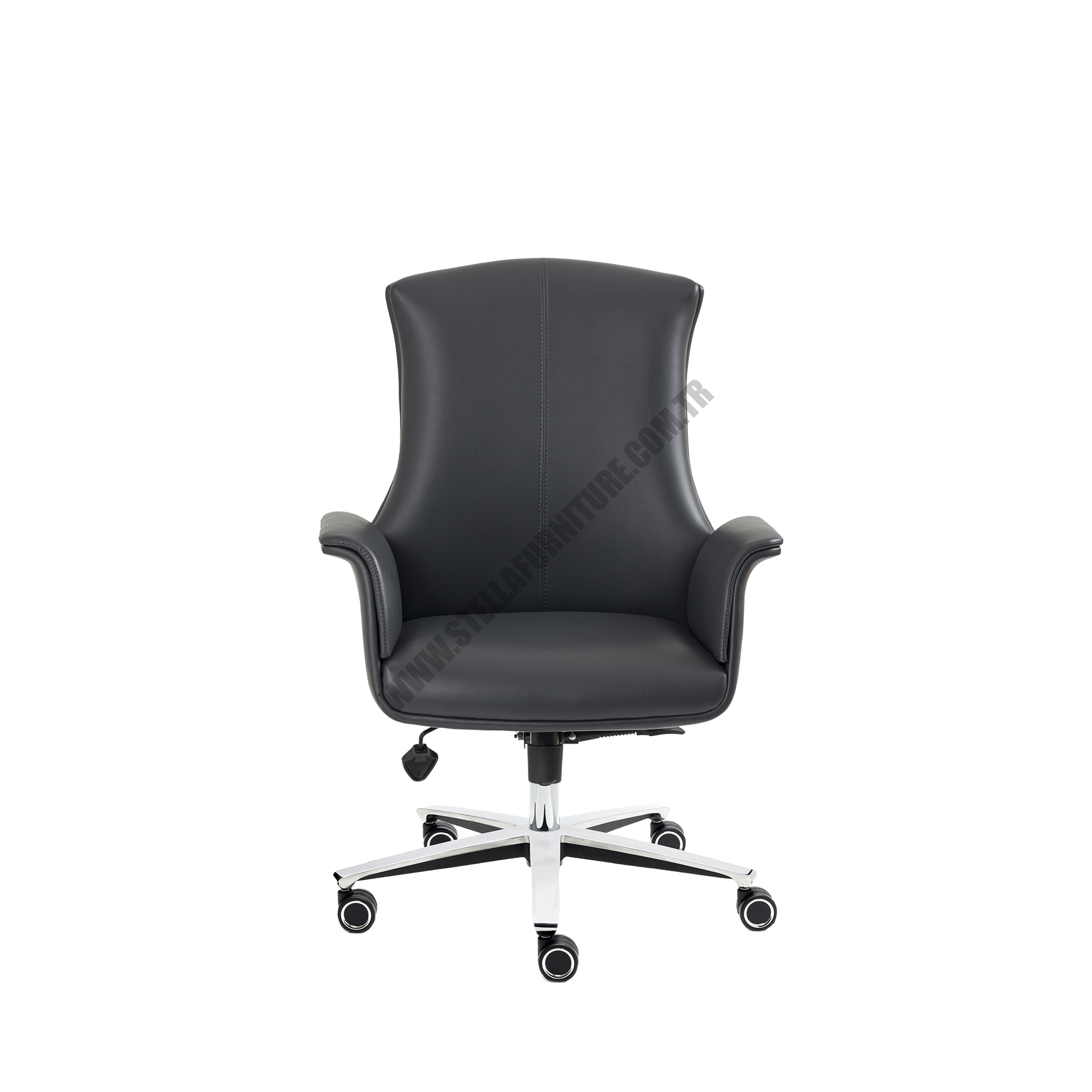
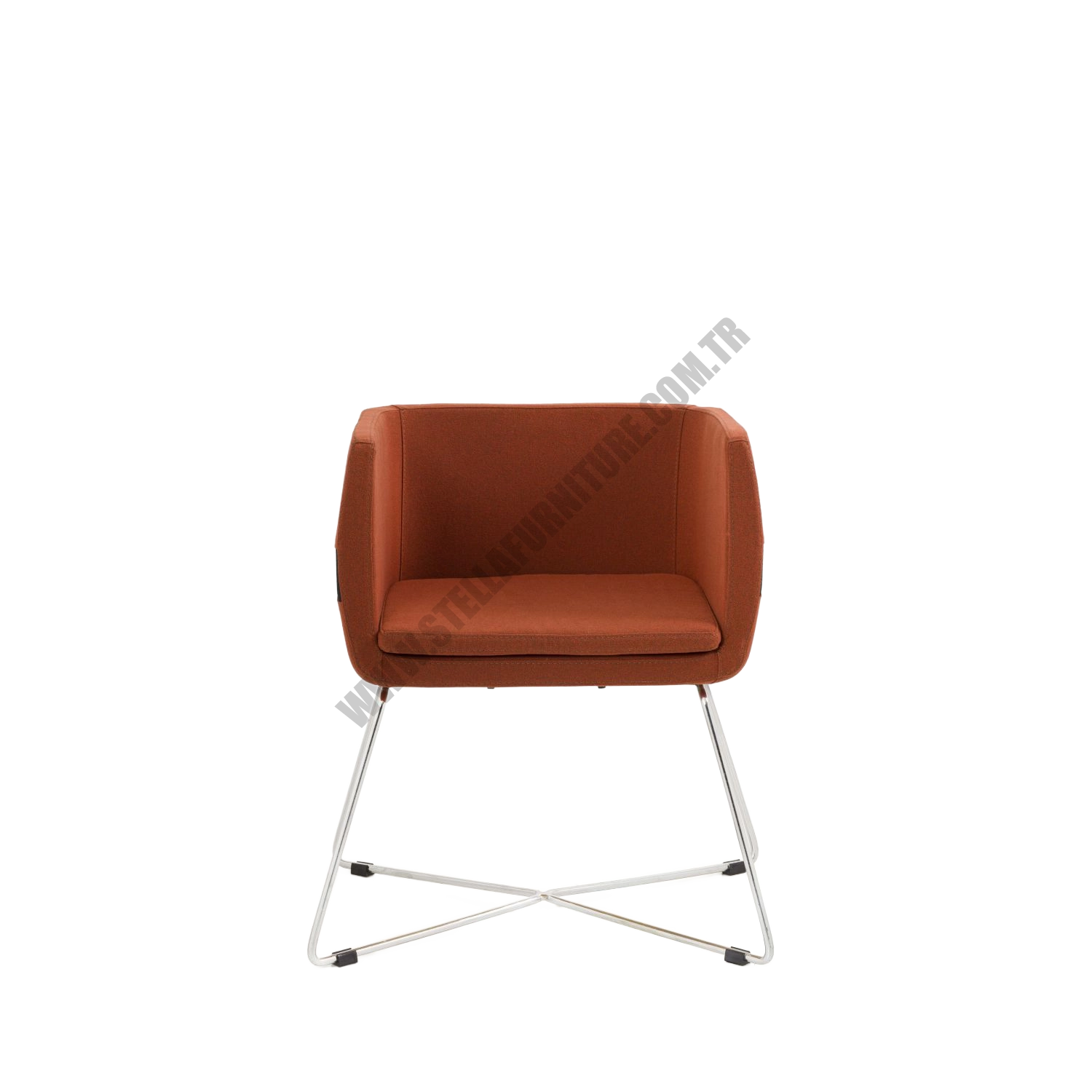
A model code identifies a design family; an item code identifies one particular chair or table. A short internal code can include the branch and zone, but should remain distinct from the supplier's product code. Before applying a label, check that its position and material will not affect the furniture or customer contact. Keep a separate supplier-code field. A linked photograph helps distinguish similar colours and small design differences. Document the naming rule so new staff can use it consistently. if (!singleBody) { }Make transfers between branches visible
A table temporarily moved to another venue does not change the total purchased, but it changes which branch has a shortage. Record transfer date, sending and receiving branches, quantity, condition and responsible person. Add a movement to the master record rather than manually updating two unrelated files. Keep damaged items and items awaiting inspection separate from available stock. If a return date is unknown, mark the transfer as open instead of inventing a date. This distinction helps prevent unnecessary purchases.
Base renewal decisions on the record
Do not limit inventory work to the annual count. Update the record whenever upholstery, model, location or service status changes. Before a repeat purchase, check the existing code, material details and components that will remain, rather than relying on the latest photograph alone. Describe recurring problems consistently and distinguish an observation from a confirmed manufacturing fault. The aim is not to make every branch identical. It is to create a useful shared memory that separates deliberate differences from accidental ones.
Comments
Register or sign in to comment. Register · Sign in