



Recycled Plastic Chairs: Understanding Emeco’s Approach
We examine the recycled content, durability and recycling claims of the US-based Emeco on the 111 Navy Chair model.

From waste material to furniture
A recycled plastic chair can make a material’s previous life visible through design. However, using discarded bottles does not answer every purchasing question. Where will the chair be used, how long might it serve, and how can it be processed after use? Research into sustainable furniture needs to connect an engaging material story with verifiable product information.
Reading Emeco’s current product information
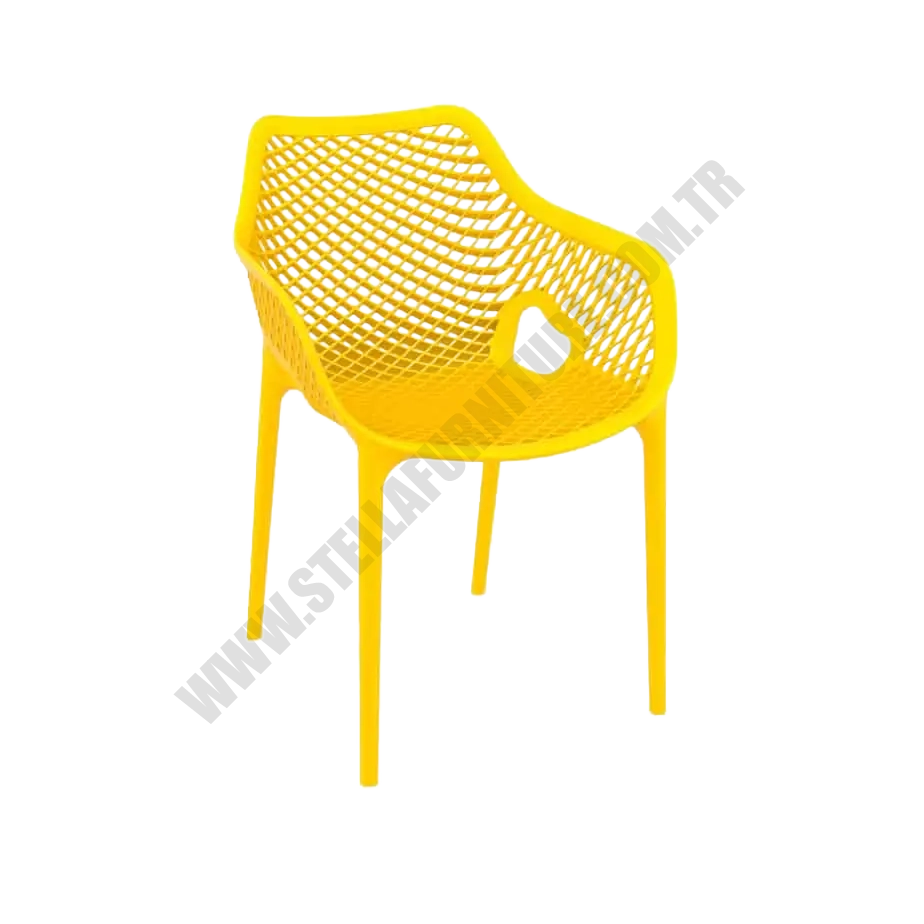
Emeco’s current page for the dark blue 111 Navy Chair lists a composition of 90 per cent recycled PET and states that each chair uses at least 170 waste plastic bottles. The manufacturer explains that material development changed the bottle count over time, despite the model retaining its name. This illustrates why an older article or a product name should not replace current technical information.
Recycled content and recyclability are different
Recycled content concerns where the production material comes from. Recyclability concerns what can happen to the finished product after use. Emeco states that it can recycle this model into another chair. That does not establish that every local recycling facility in Turkey can accept it. Ask about take-back arrangements, delivery locations and transport responsibilities before purchasing. Check whether the proposed process is available where you operate.
Questions for a cafe furniture supplier
Request material composition and suitability for use as separate parts of the quotation. Which components does the recycled percentage cover? Is the selected colour suitable for outdoor use? Which cleaning products are allowed? Are relevant intensive-use test reports available? Specifications for one manufacturer’s model cannot establish the performance of a similar-looking chair. Test a sample beside the intended table and assess comfort, weight, handling and contact with the floor.
Connect material choices with daily operation
A seaside venue and an indoor office dining room face different conditions. Record sunlight exposure, humidity, cleaning frequency and storage arrangements in the brief. A light chair may be easier to move at closing time, but stackability must be checked separately. Examine colour samples under the venue’s lighting. A strong material story still needs to be supported by practical comfort and maintenance.
Is recycled plastic always the better option?
The recycled percentage alone cannot establish that. Service life, manufacturing, transport, repair and end-of-use arrangements all matter. Our recommendation is to seek clear, product-specific information and a workable maintenance plan when assessing environmental claims.
Tags
#Recycled materials#Modular furniture#Japandi design

