







Preparation and records
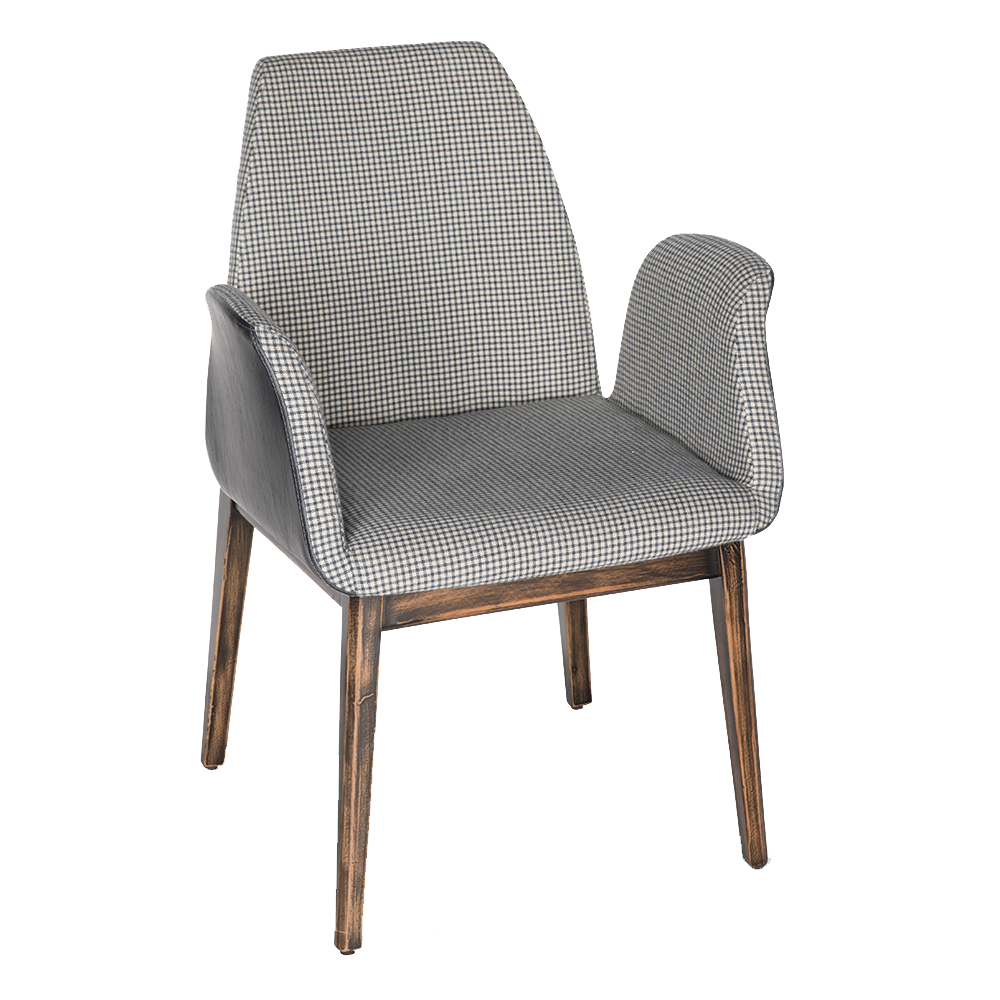
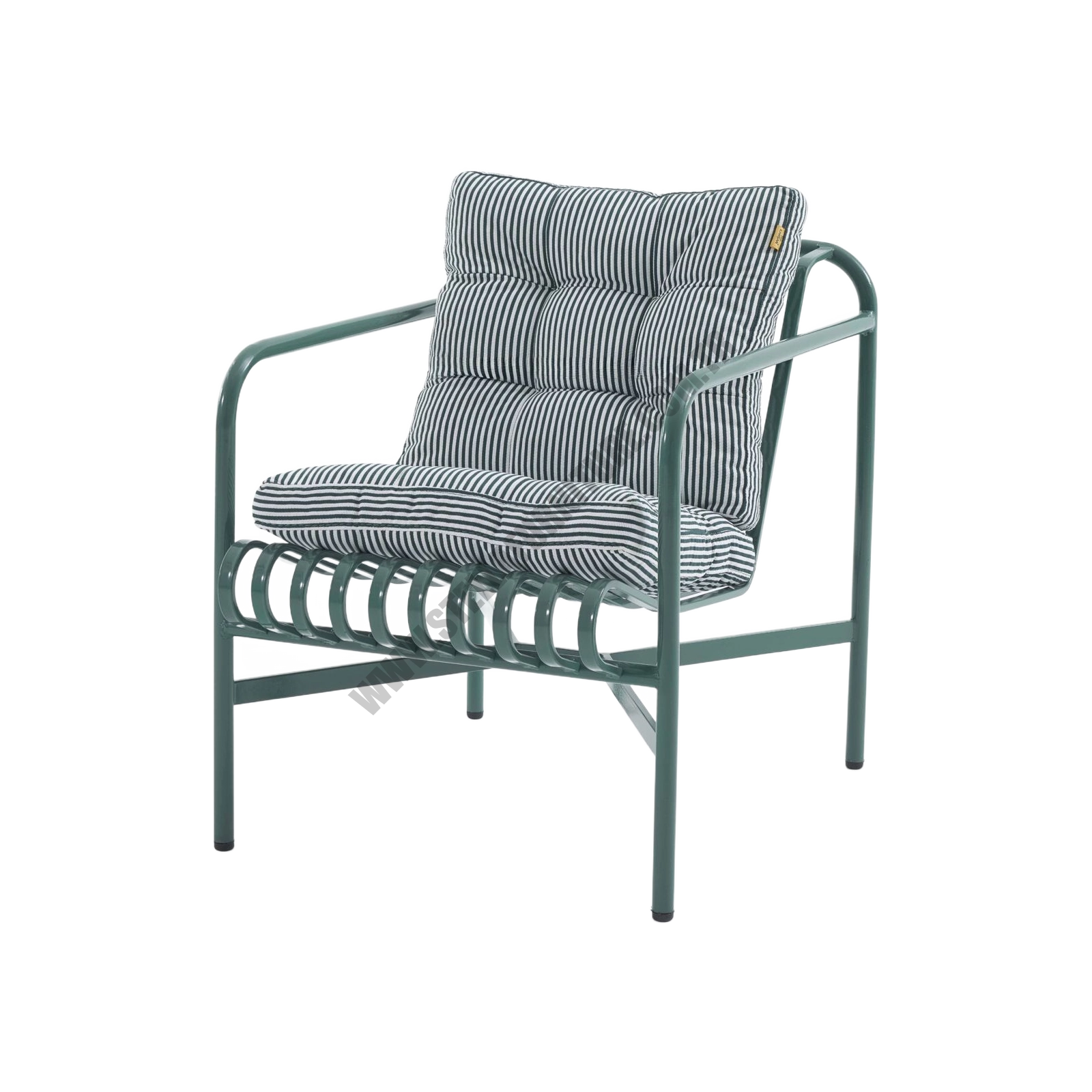
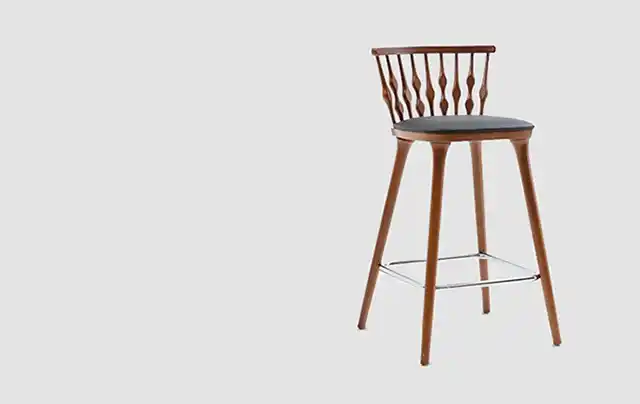
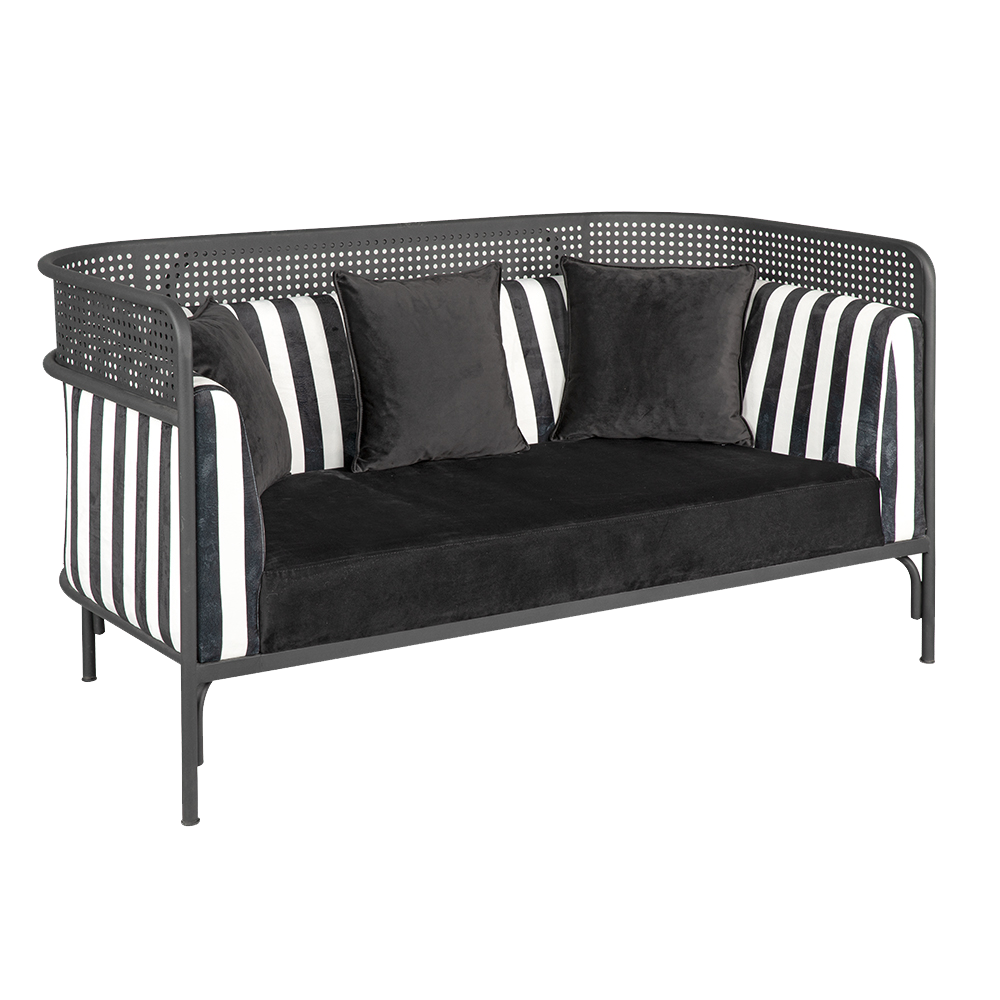
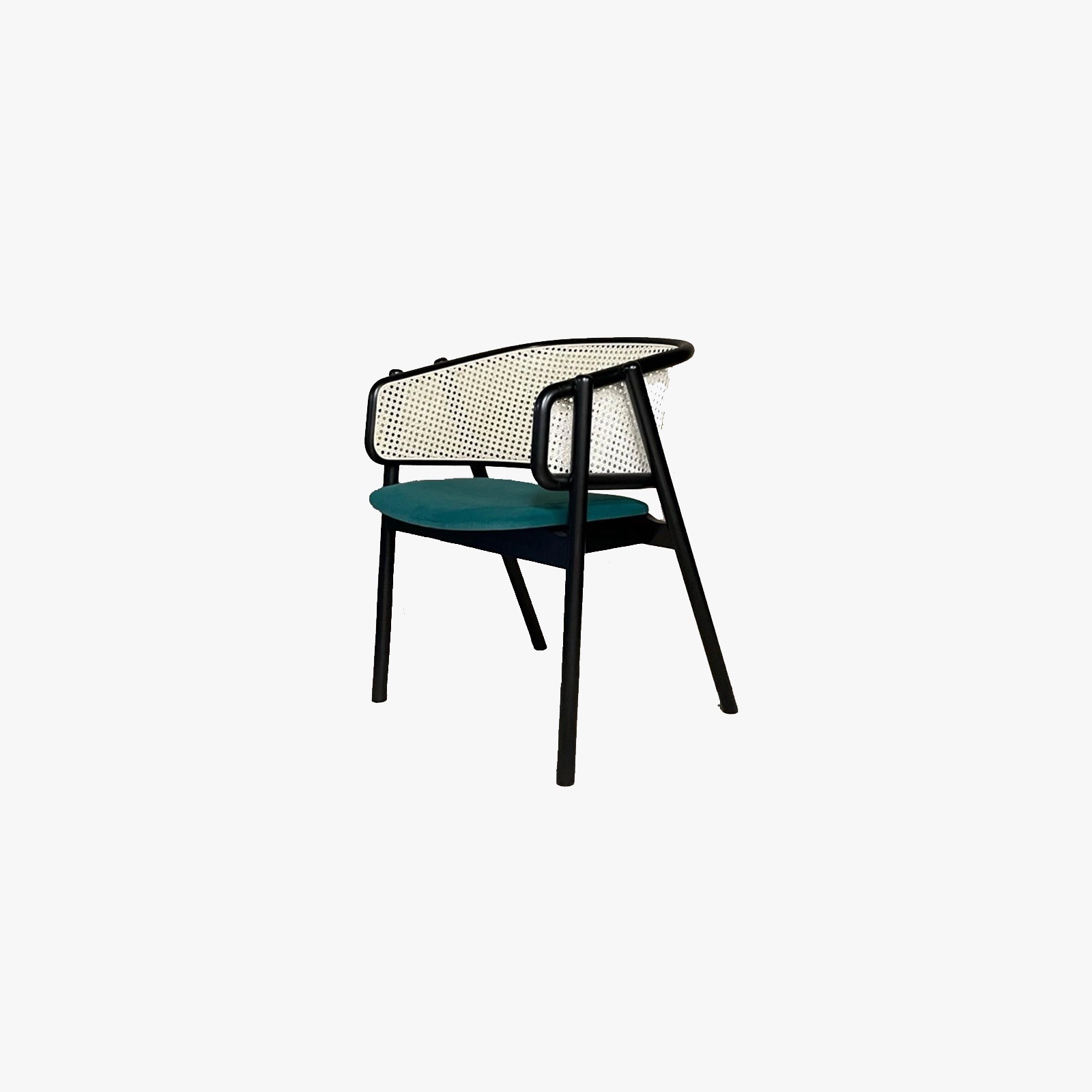
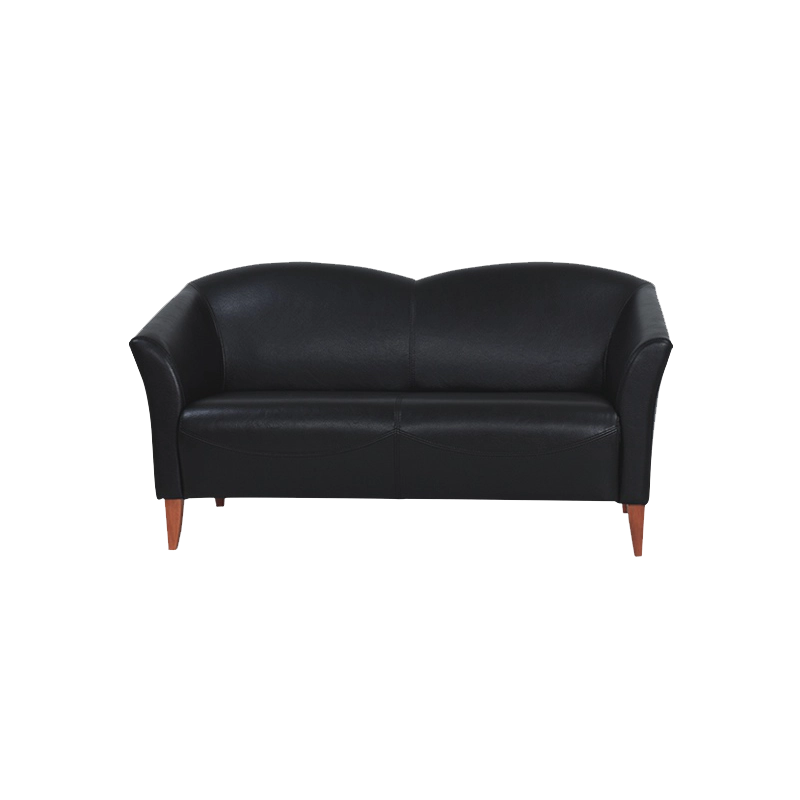
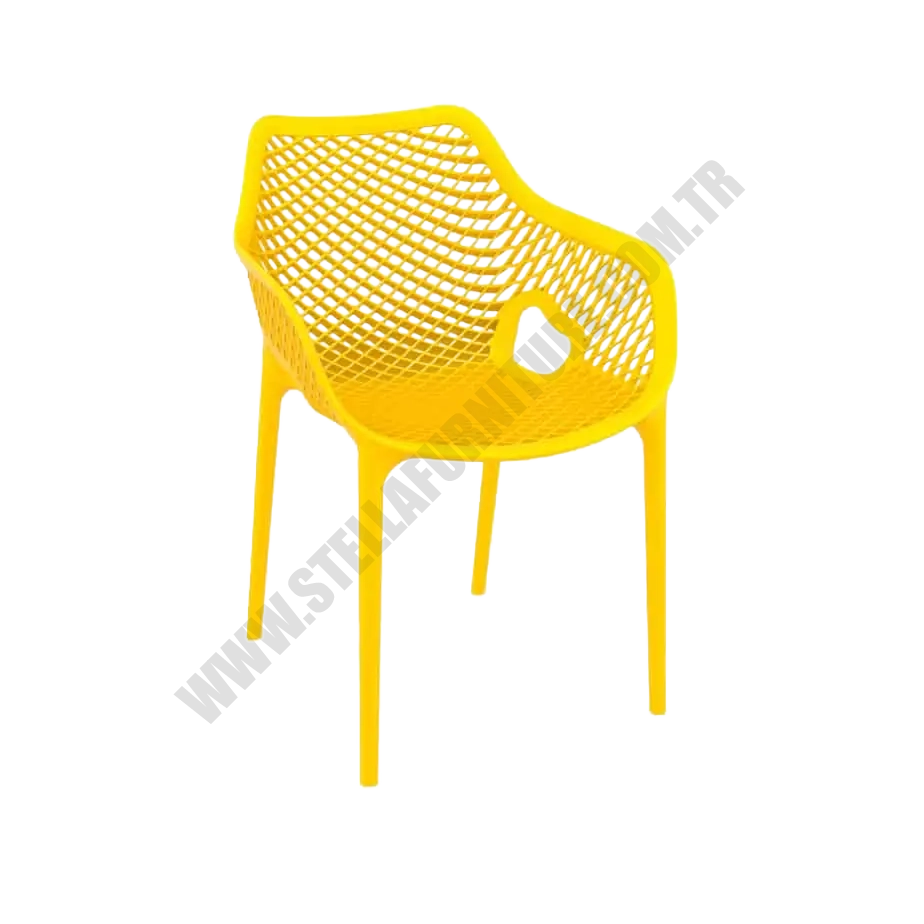
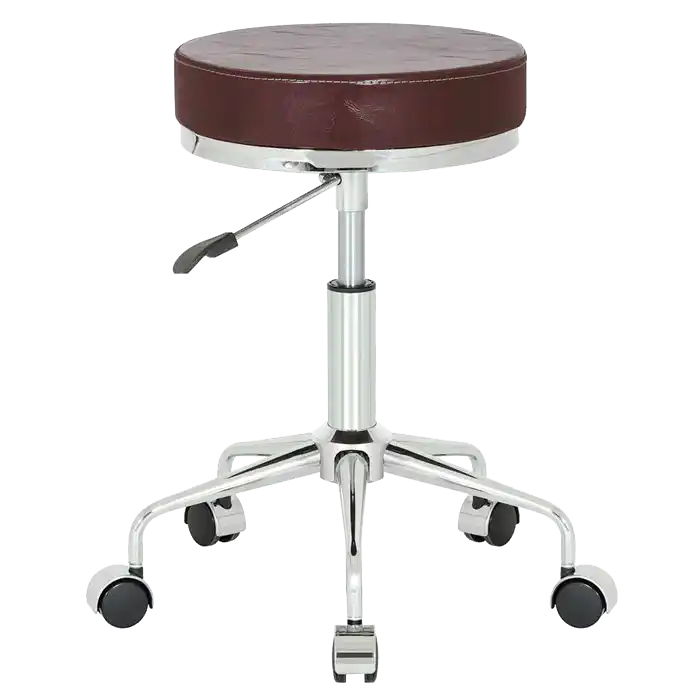
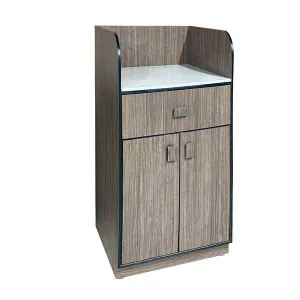
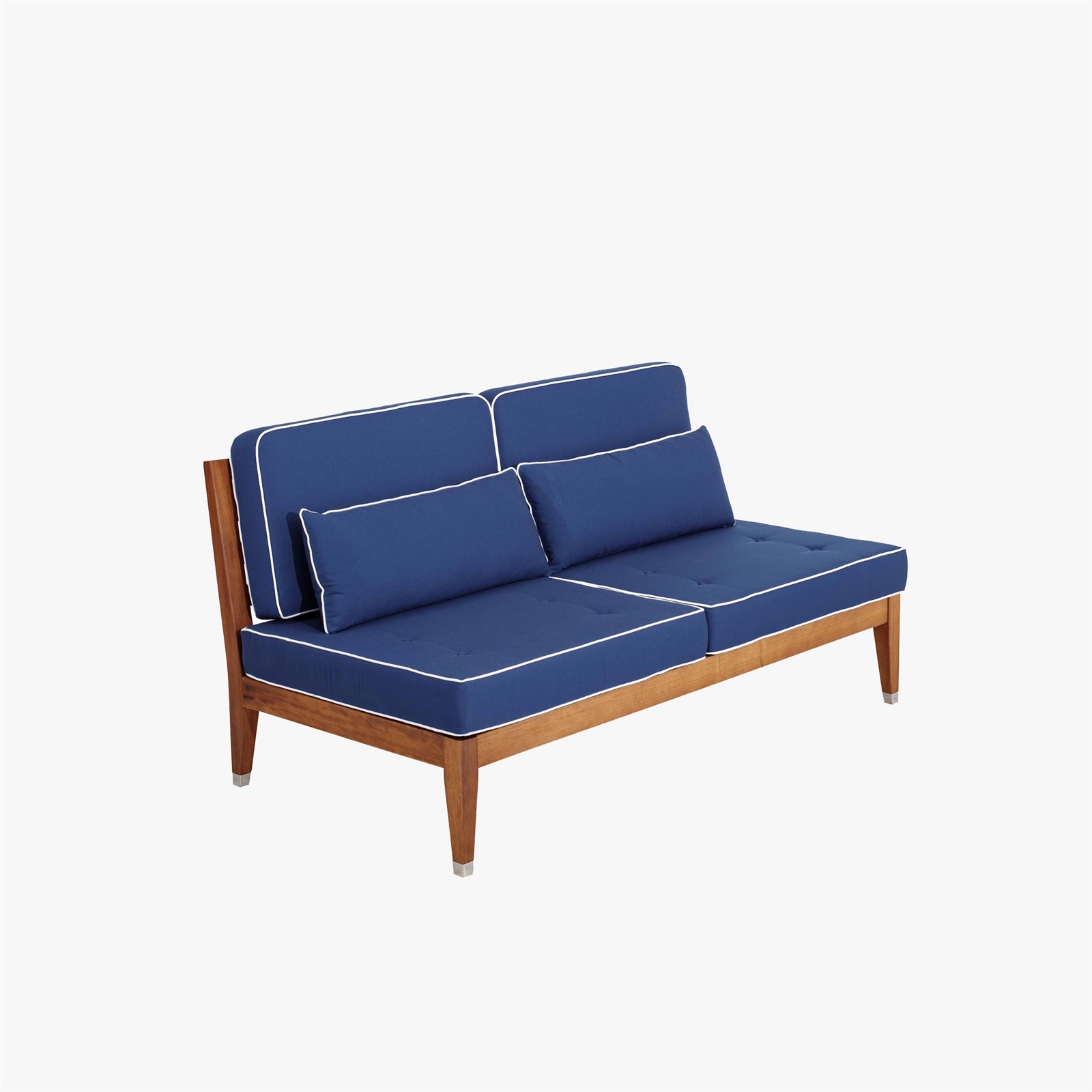
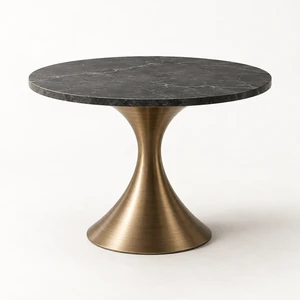
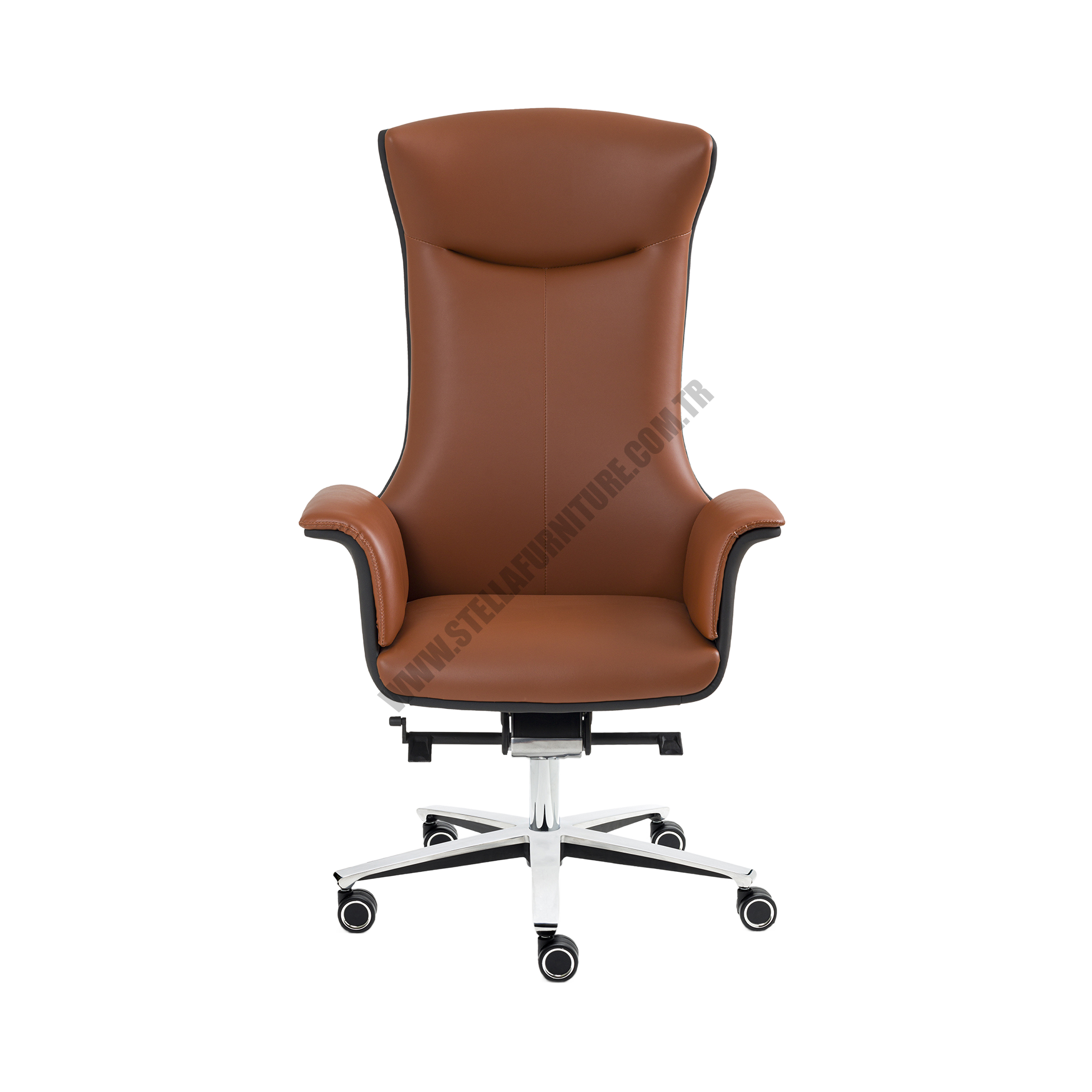
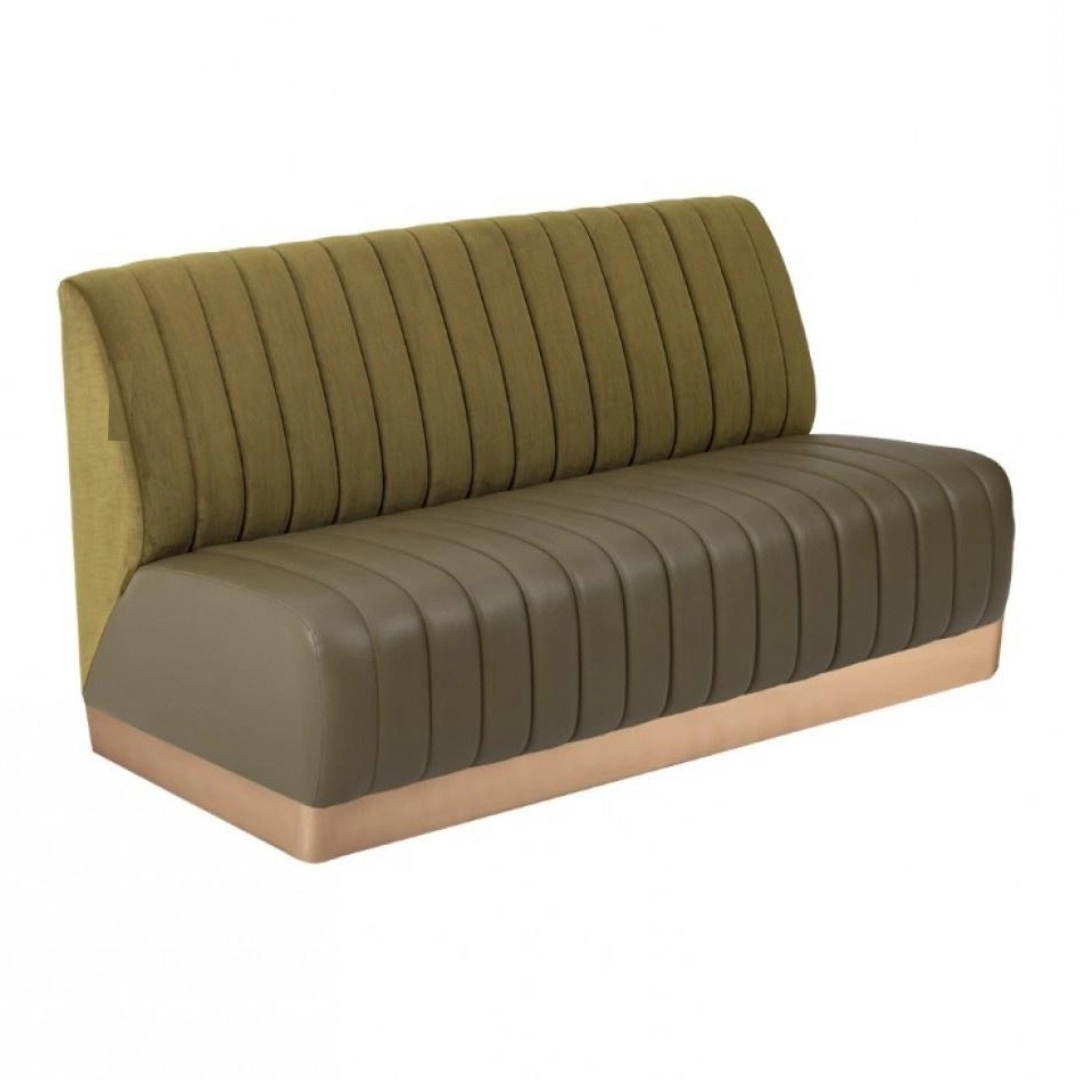
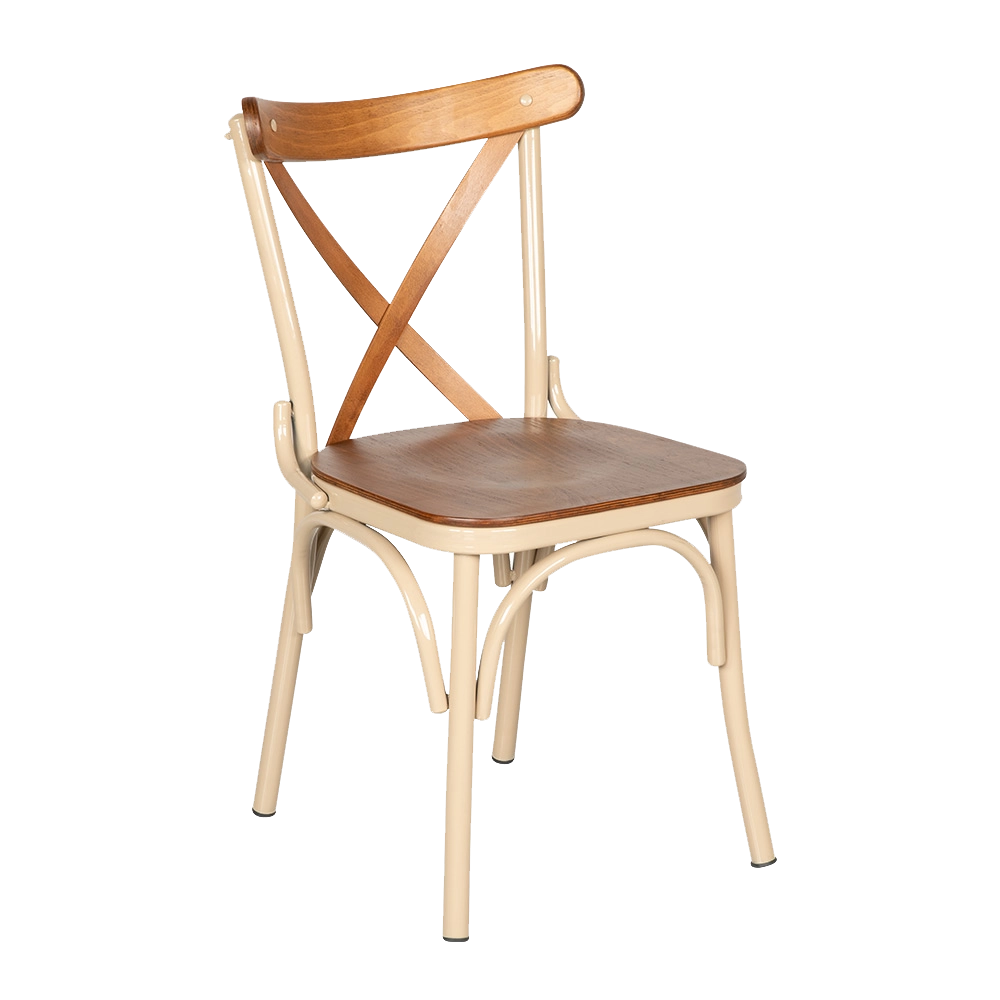
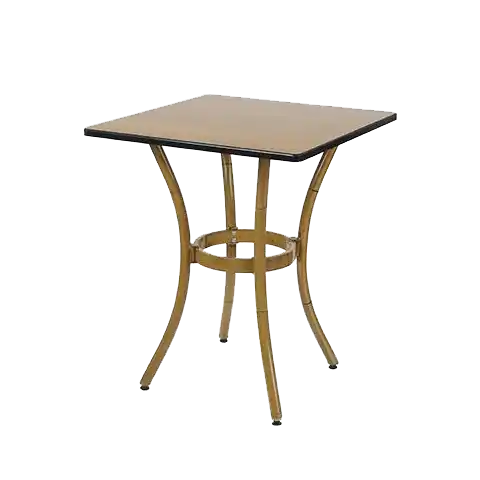
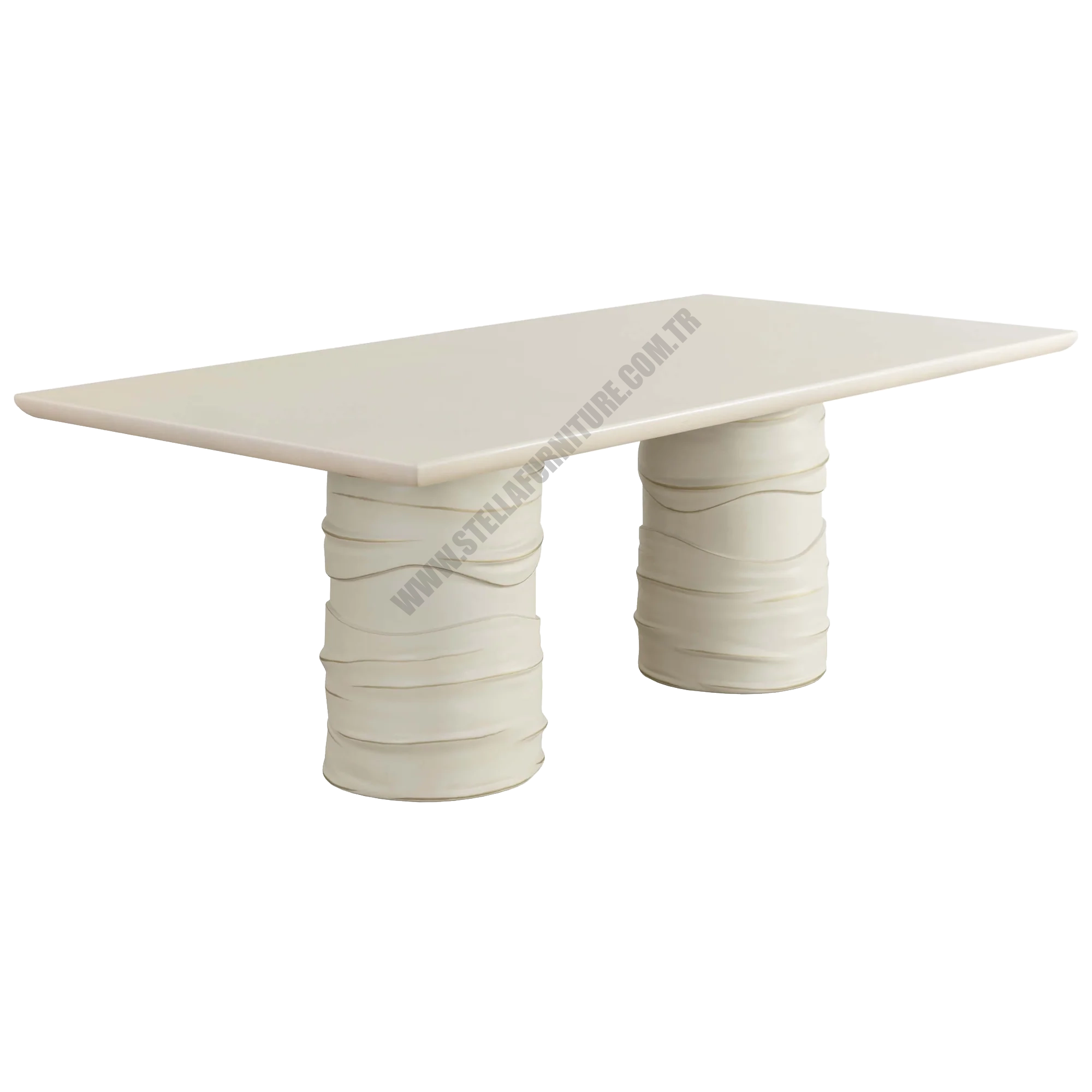
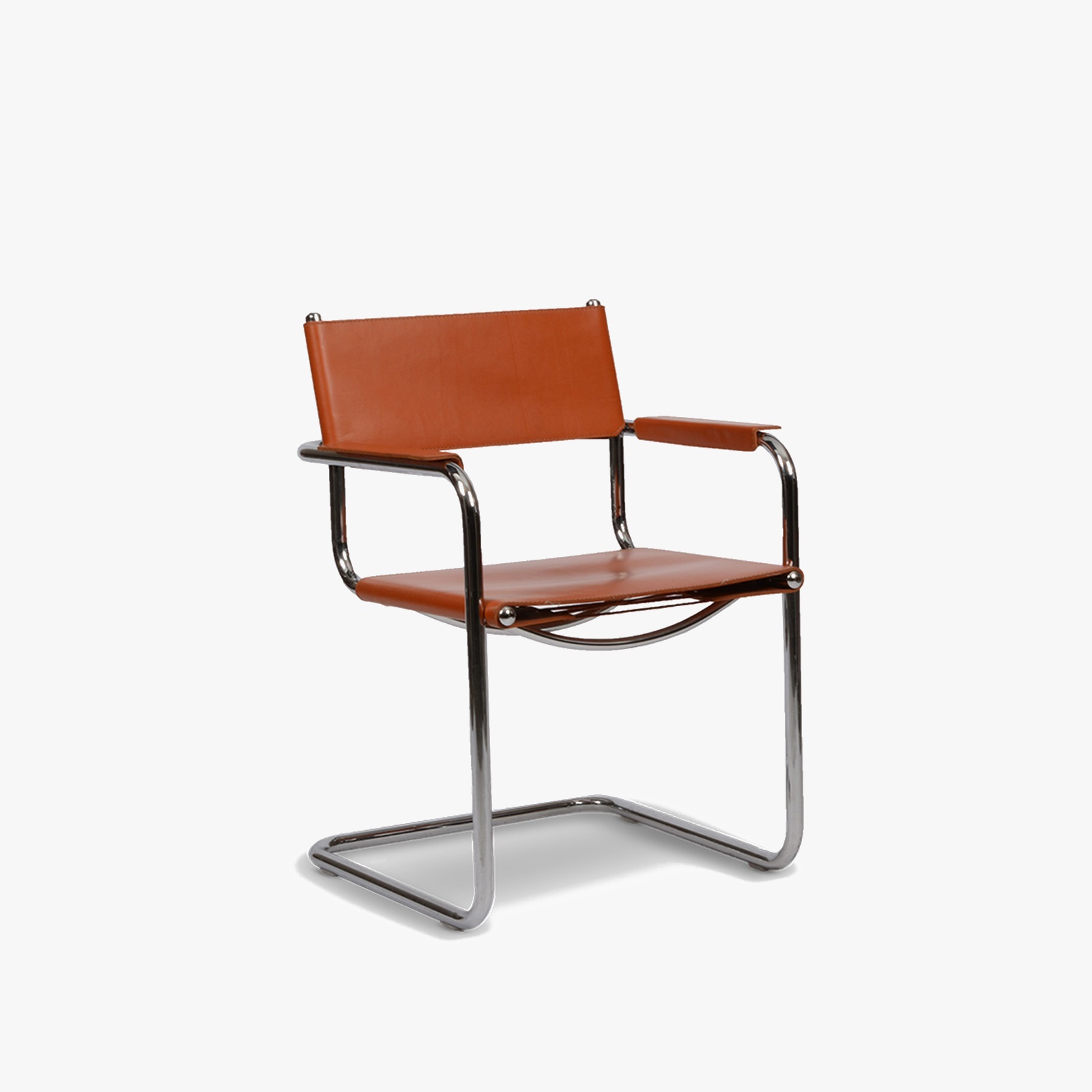
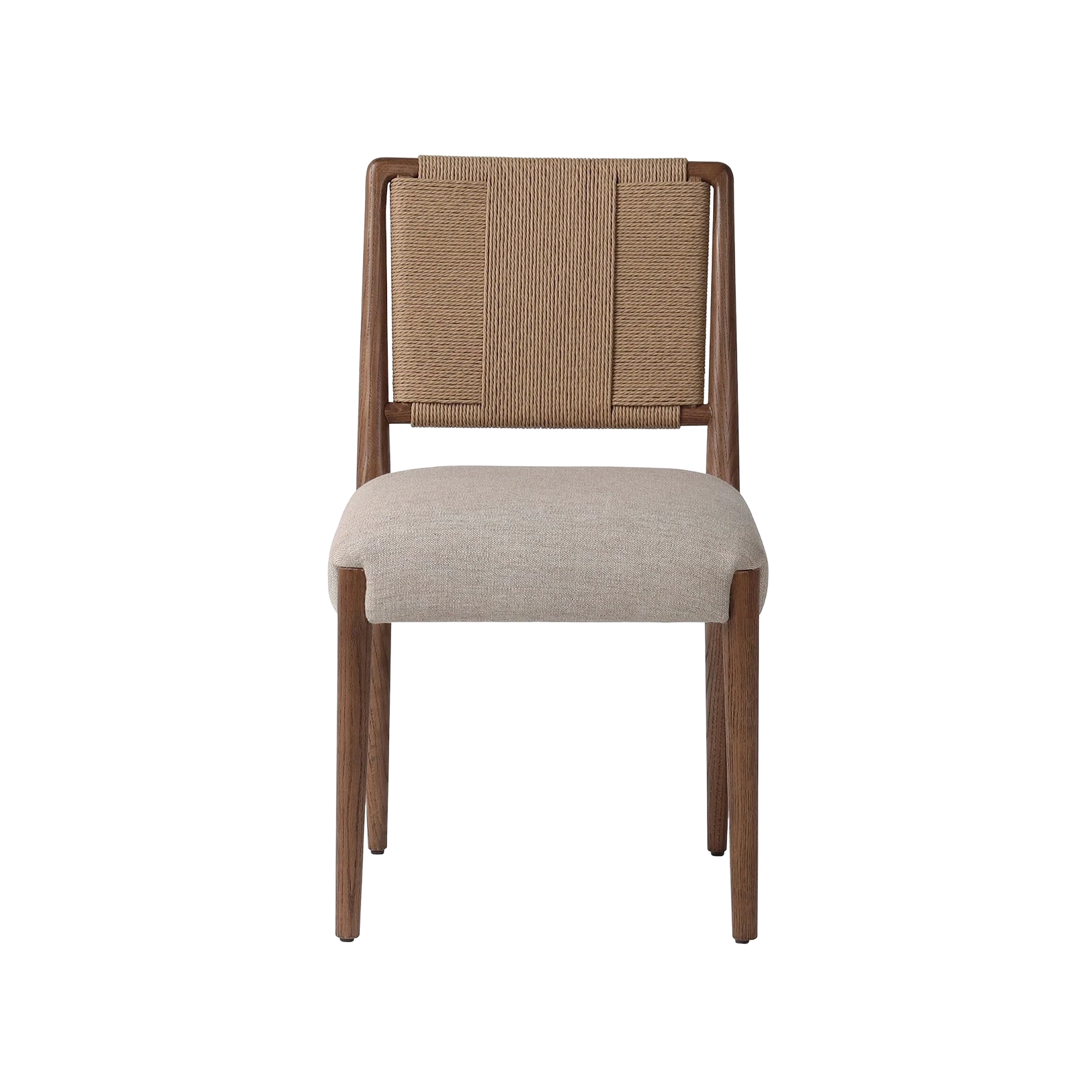
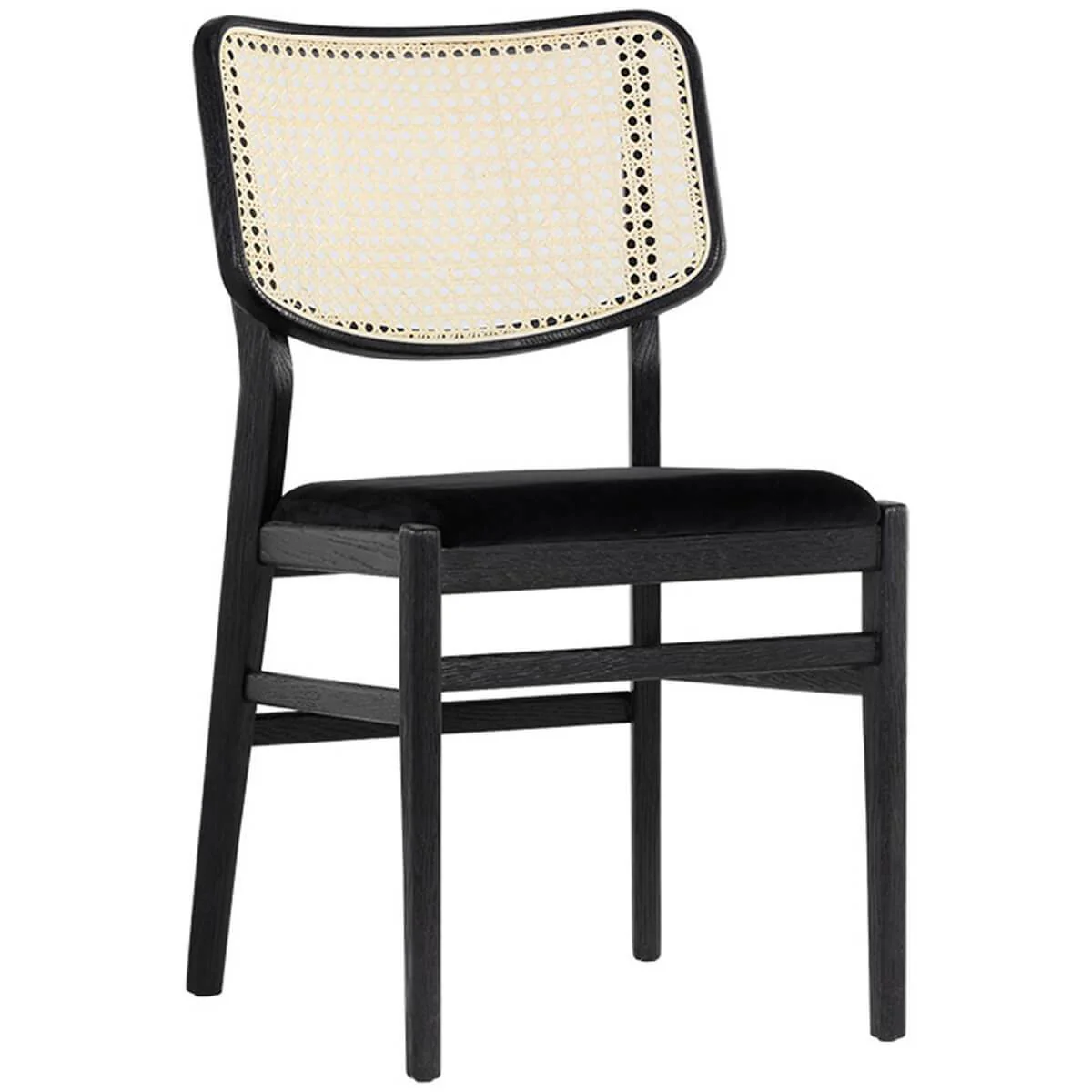
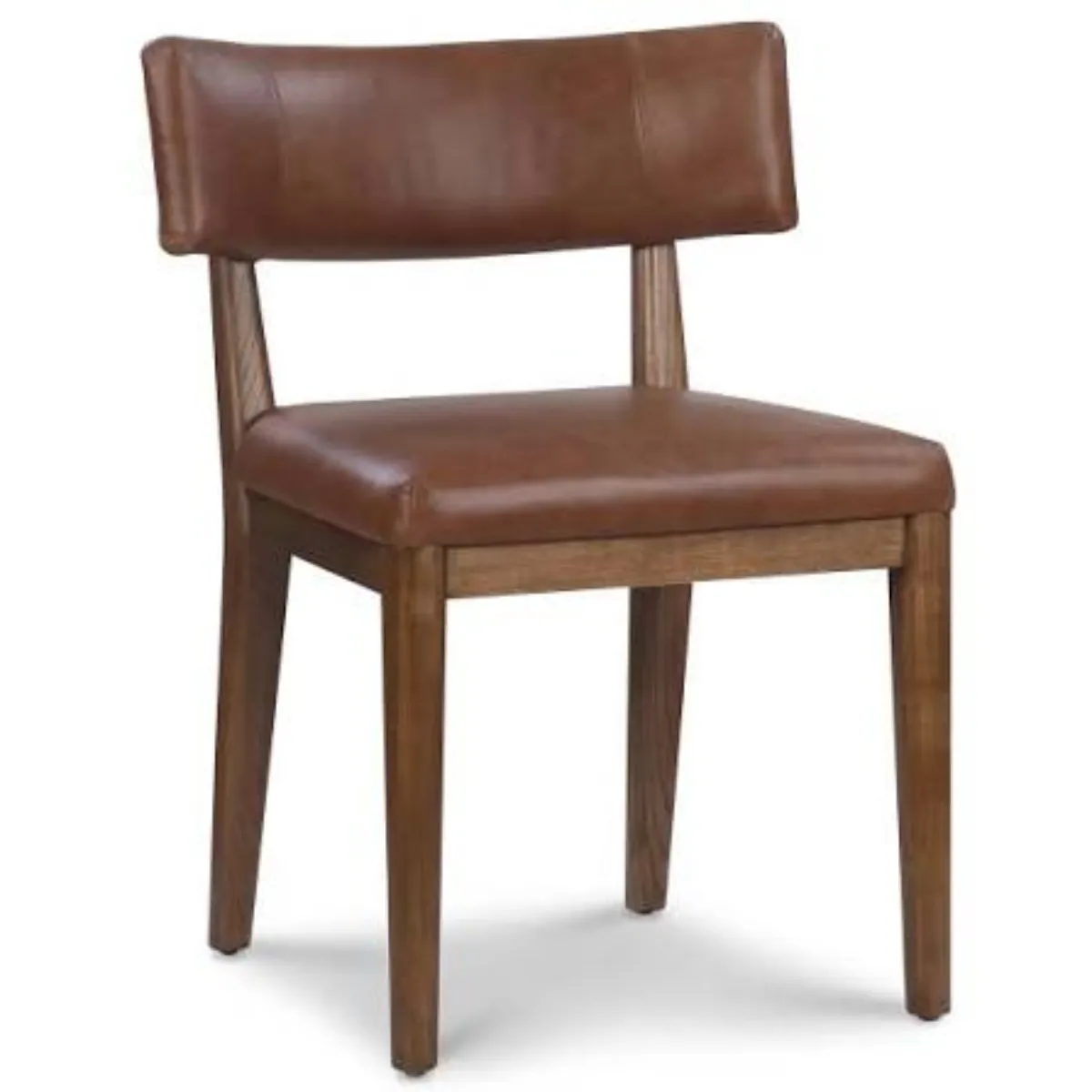
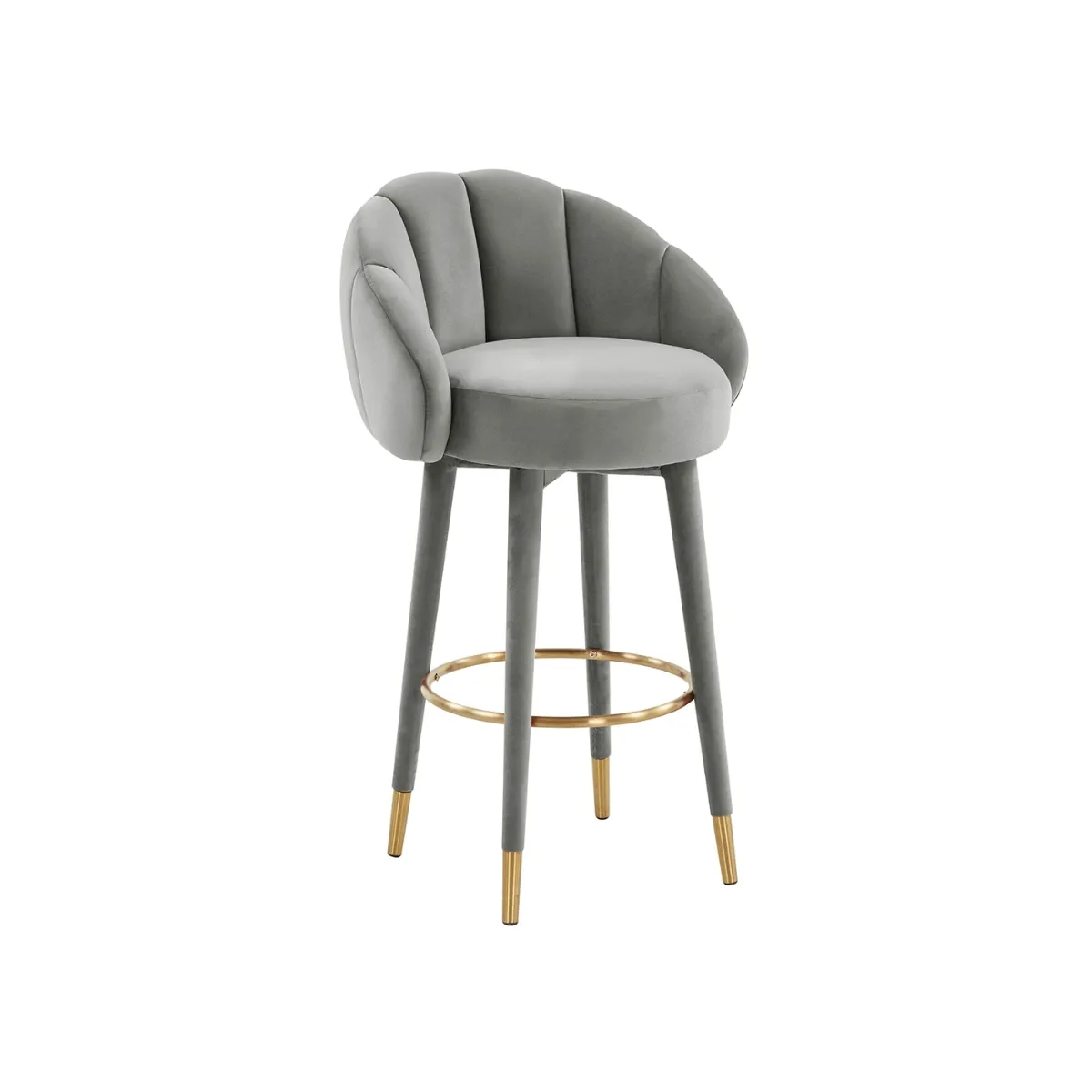
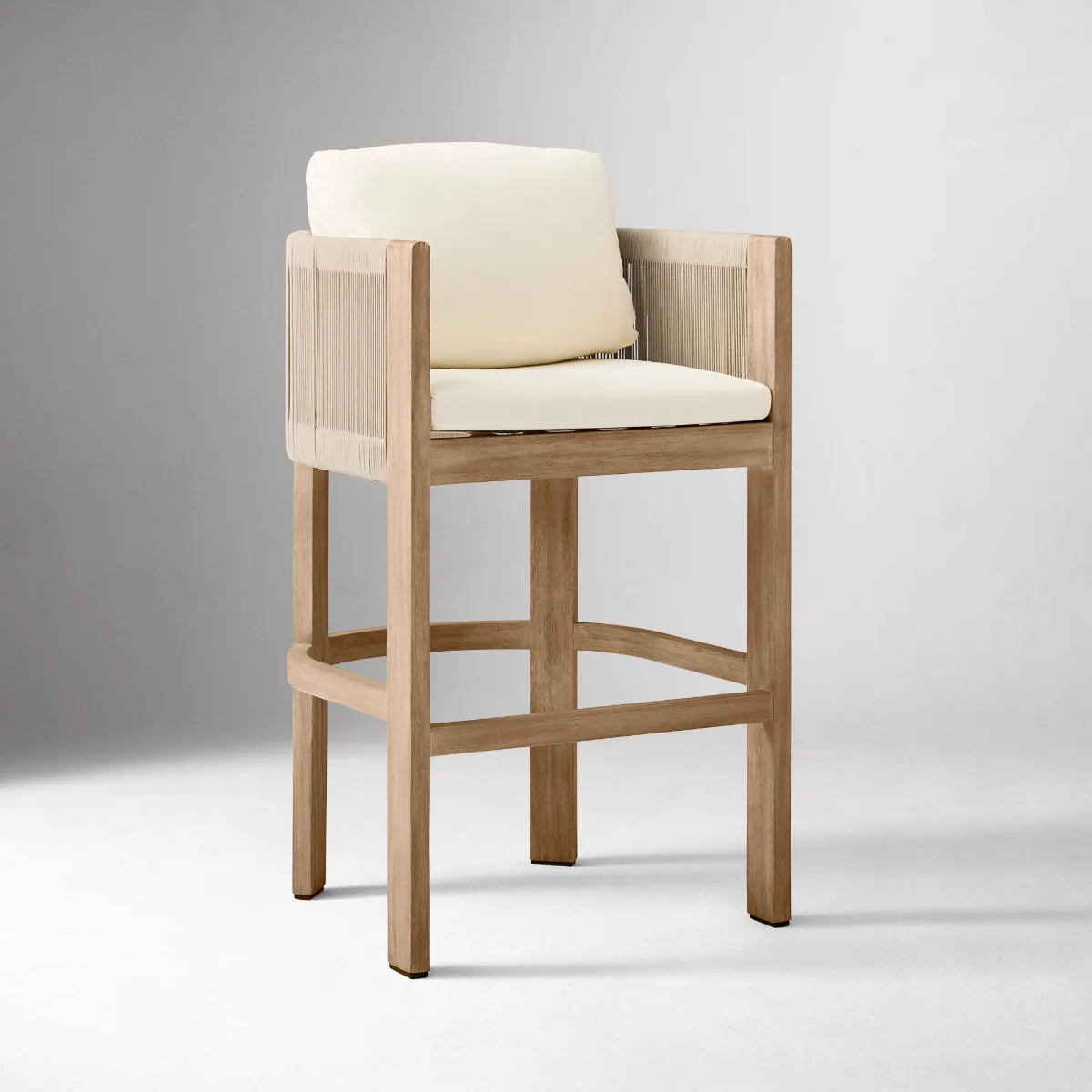
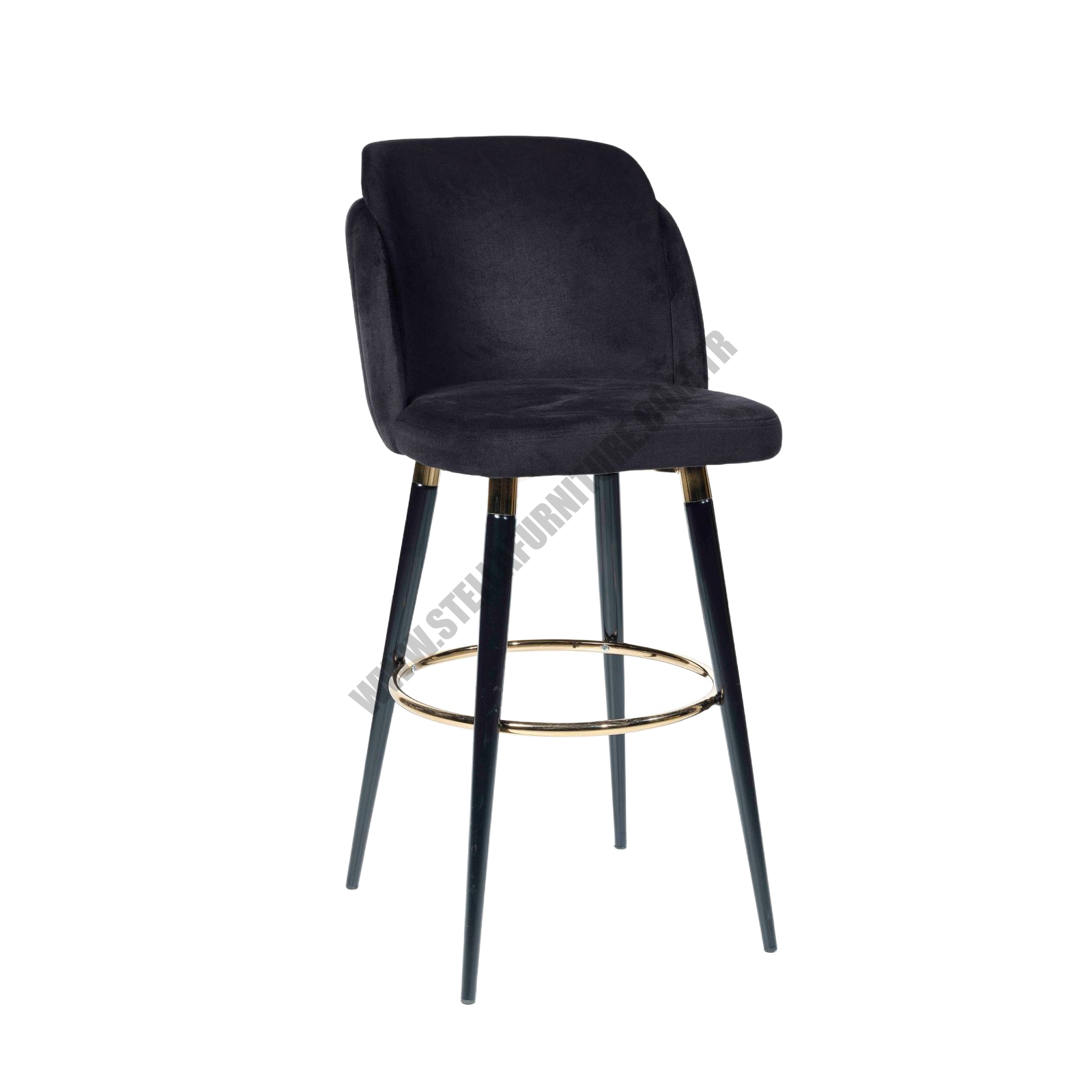
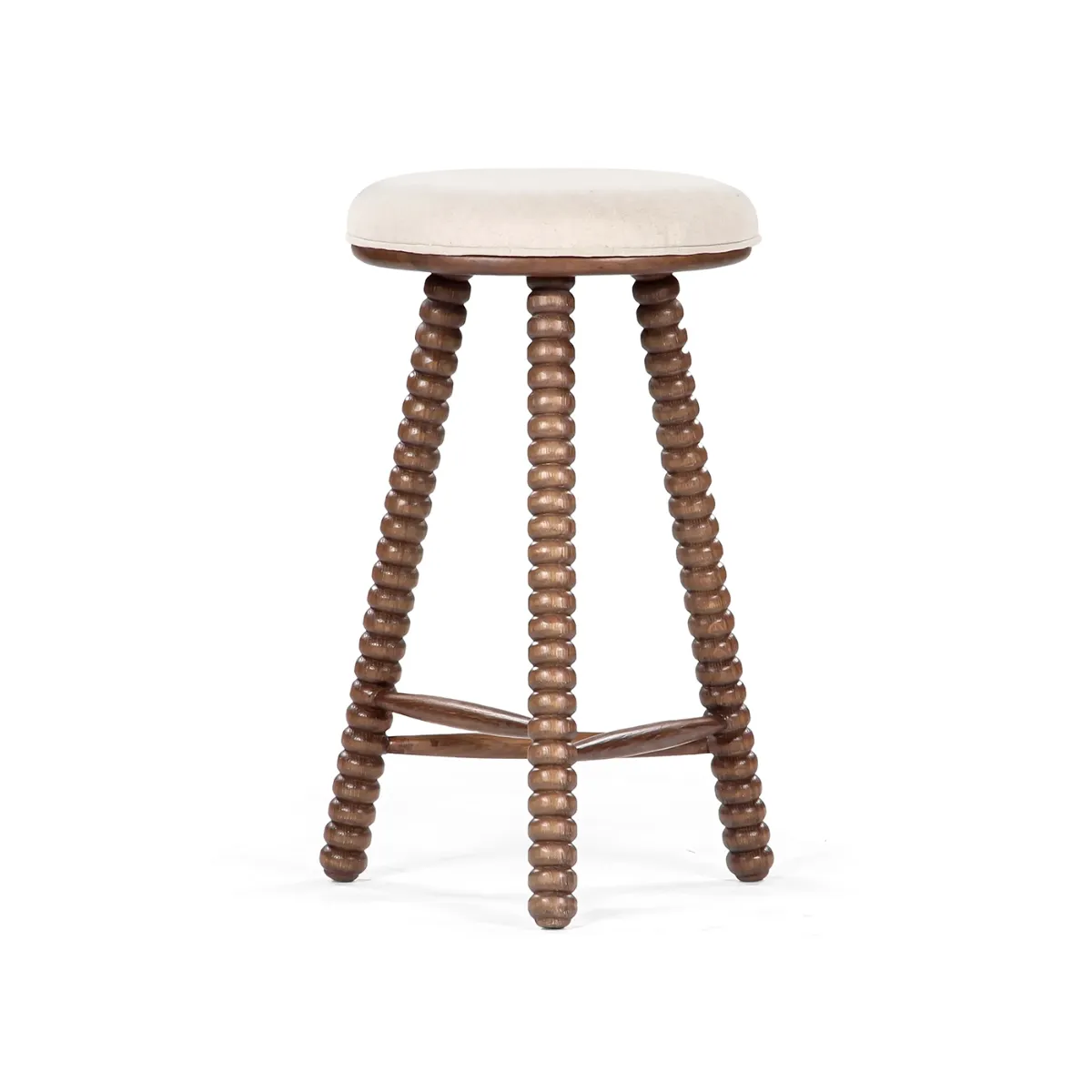
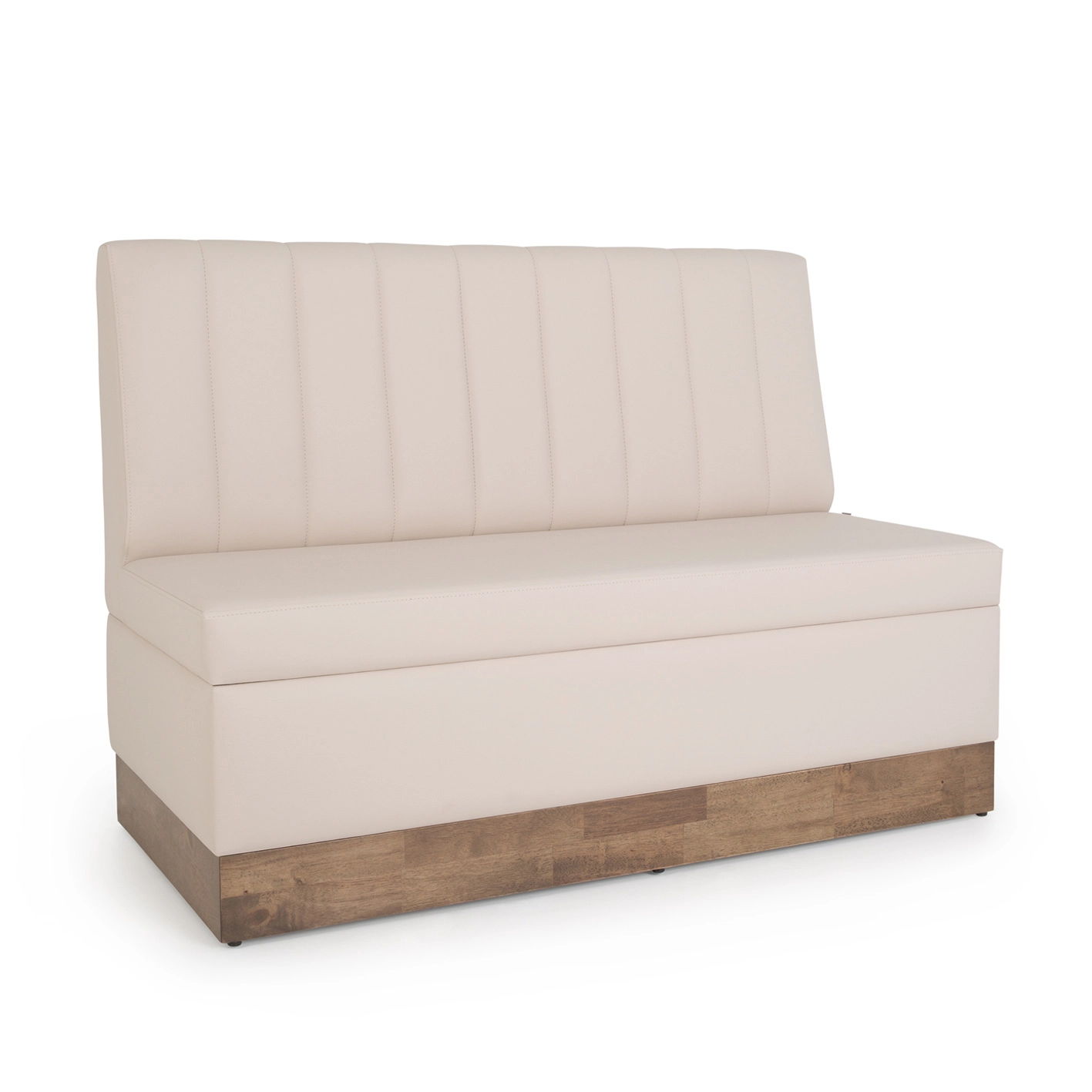
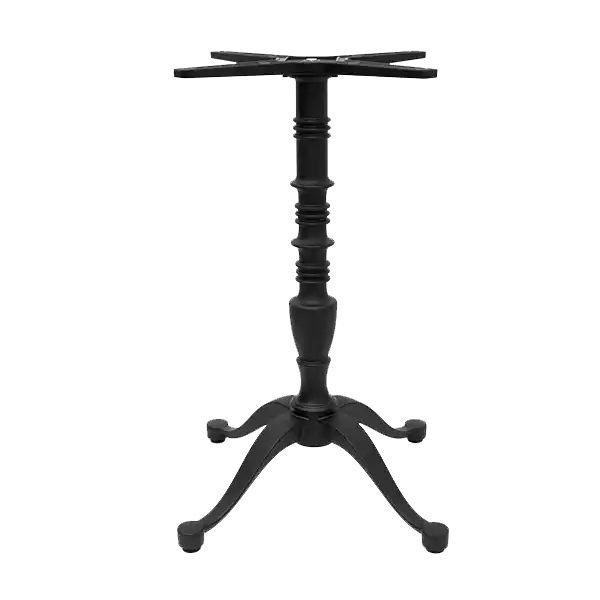
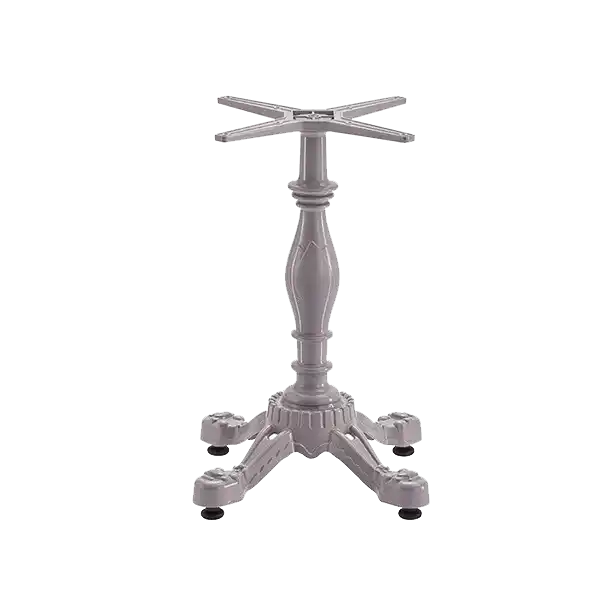
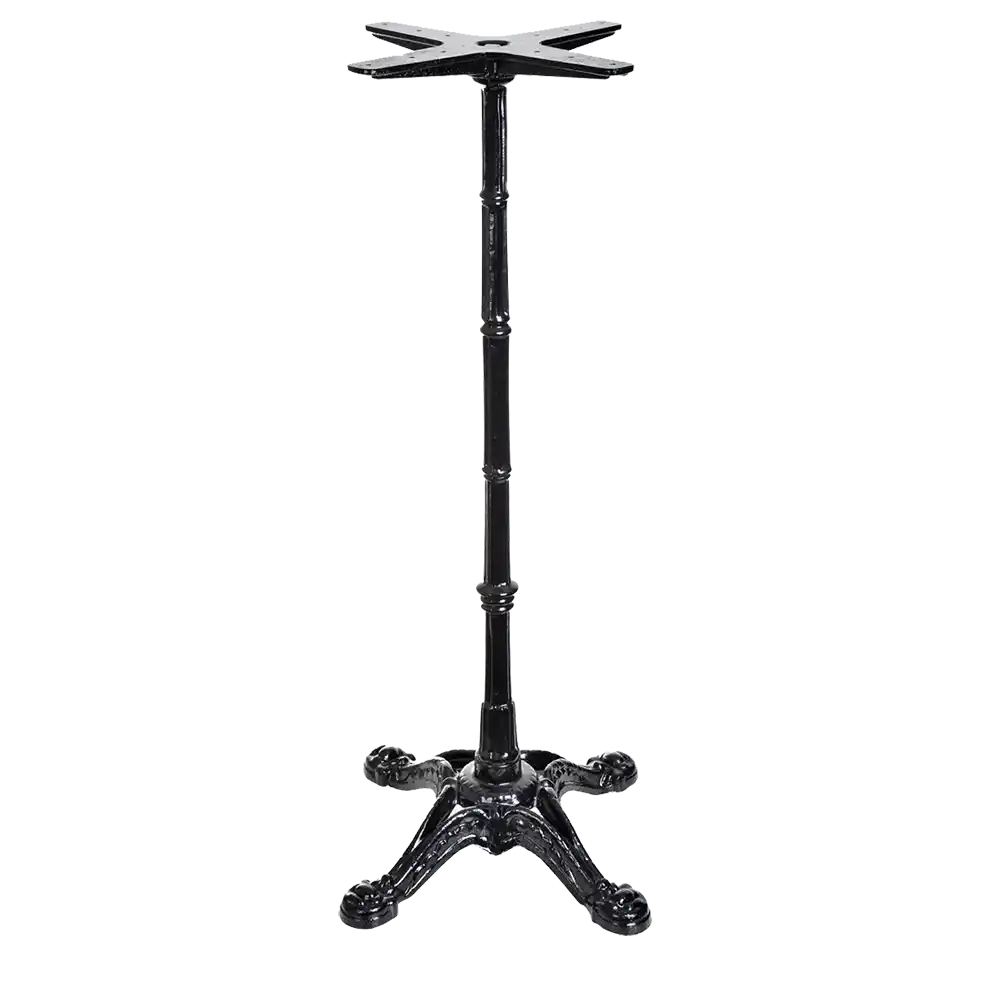
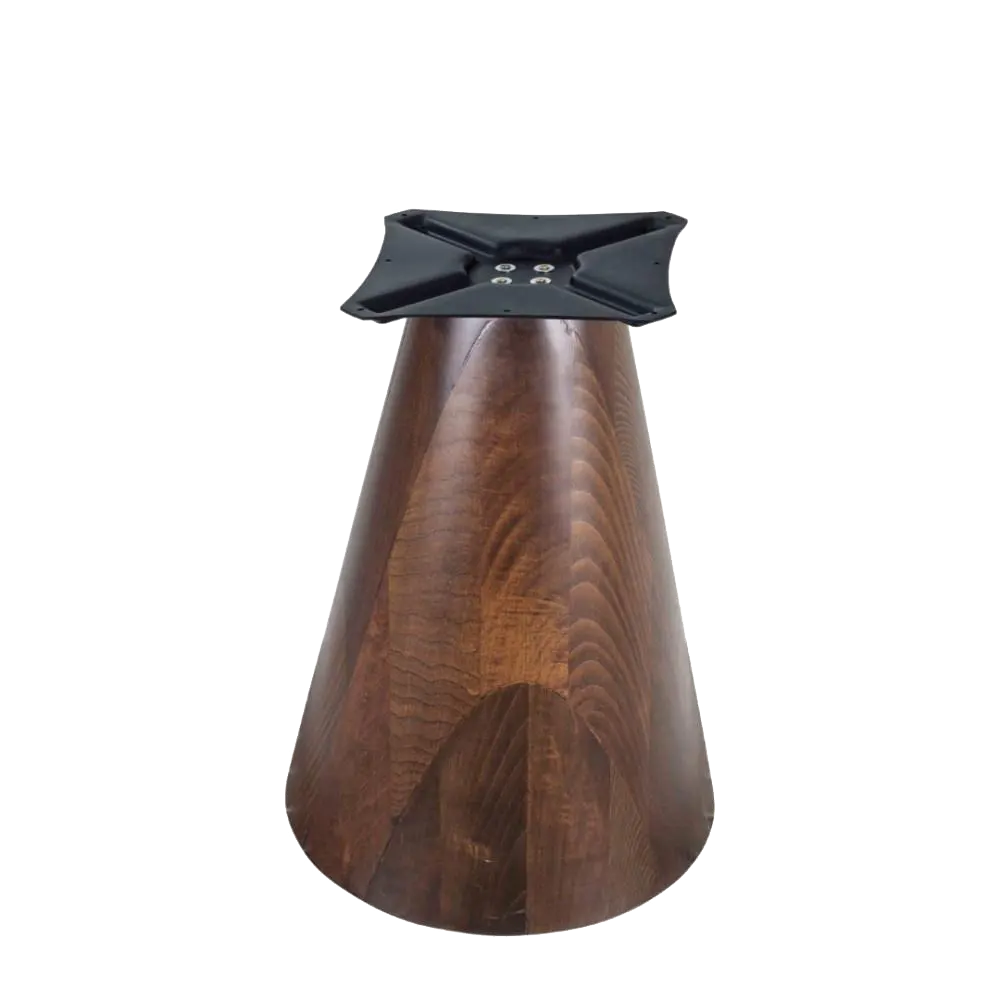
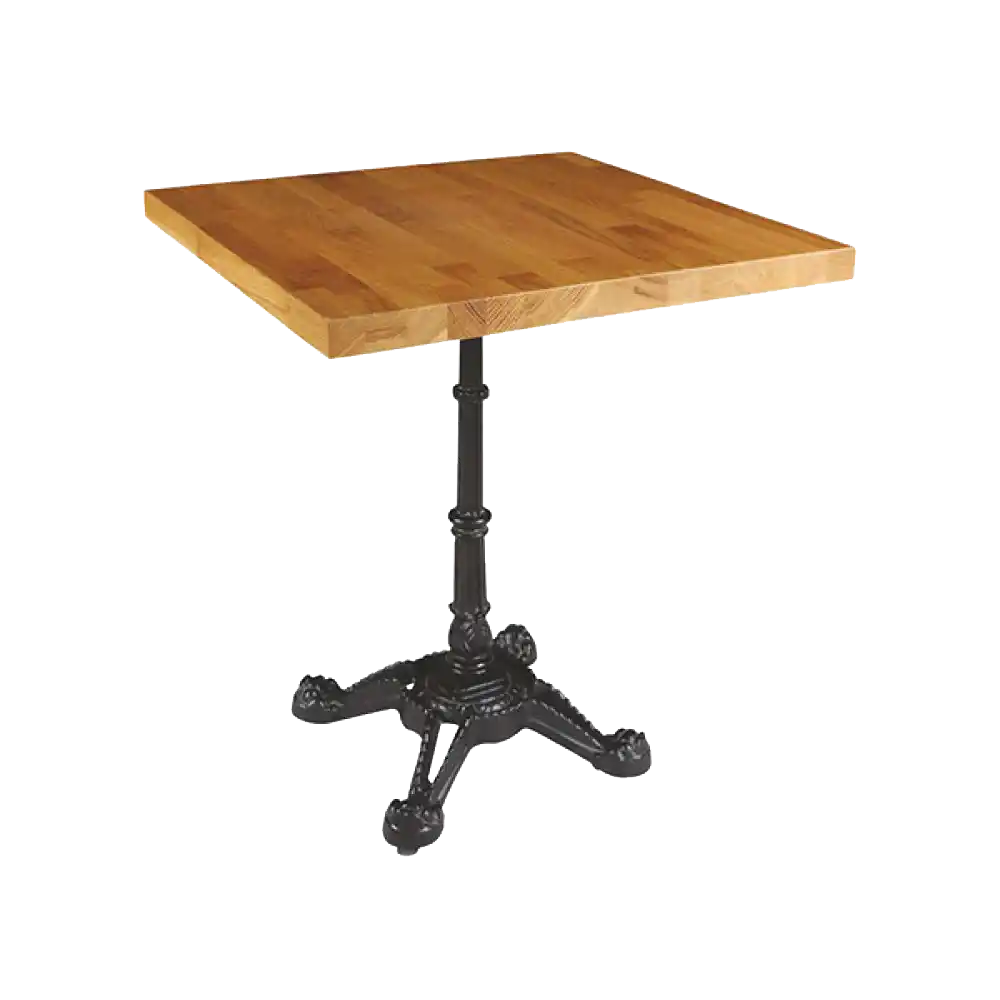
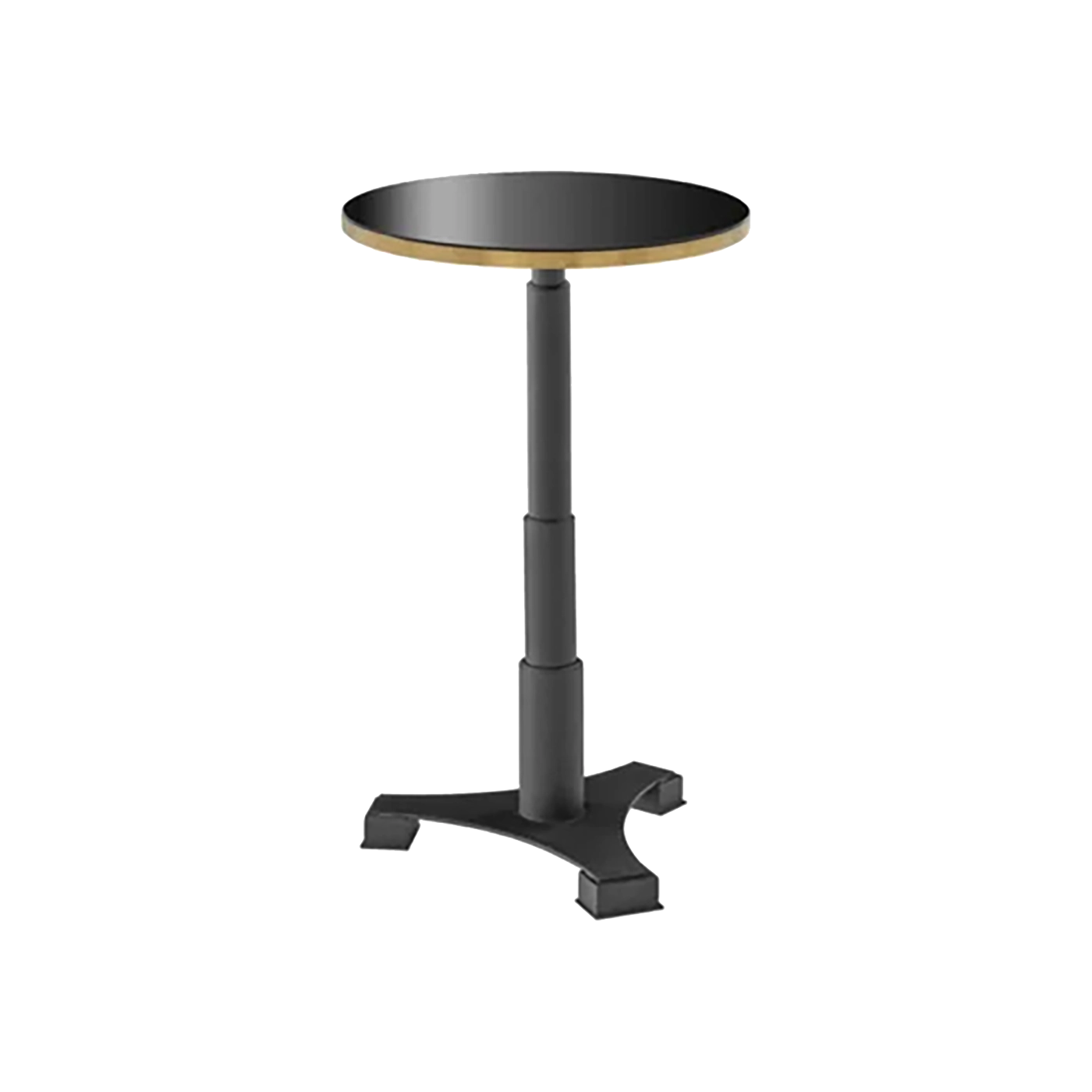
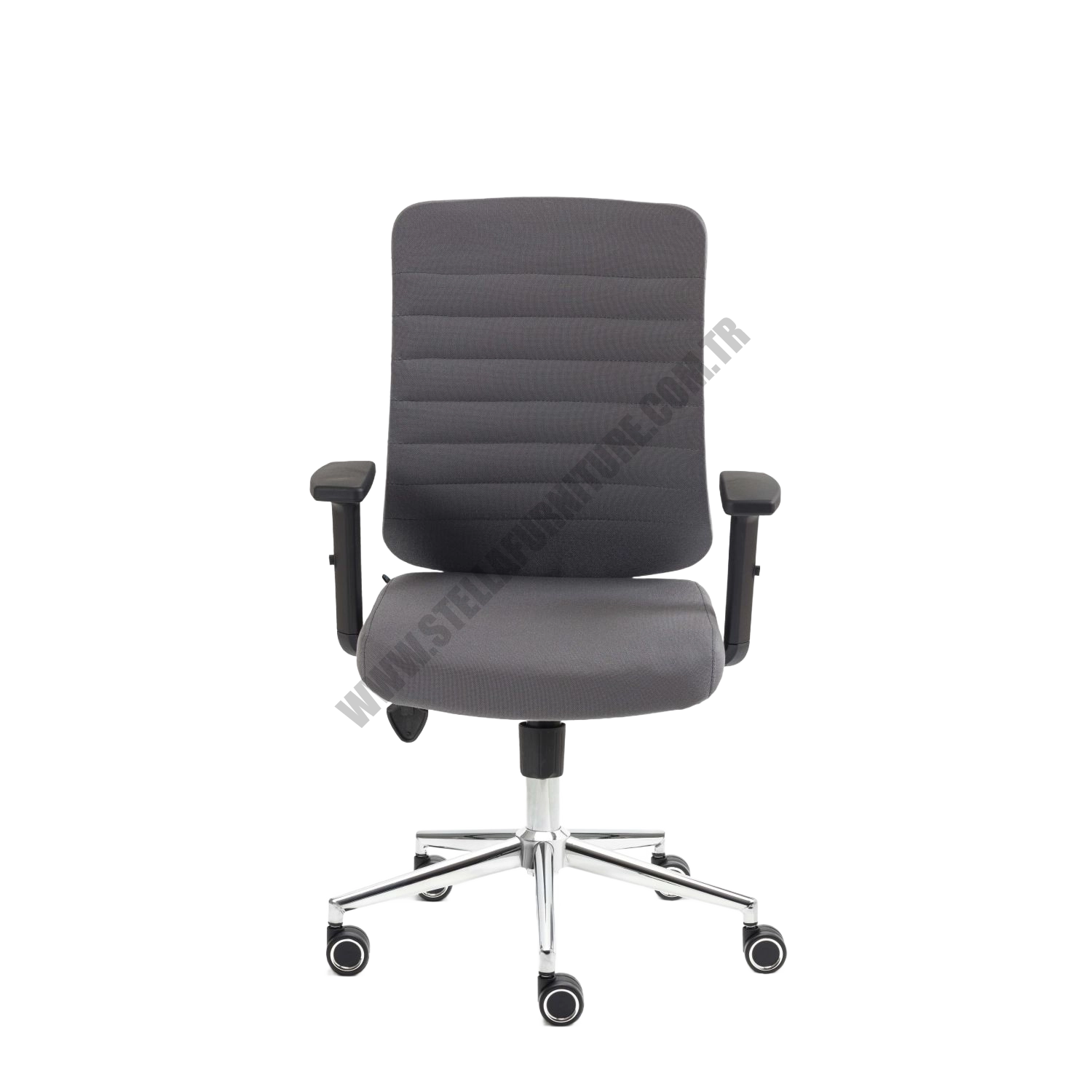
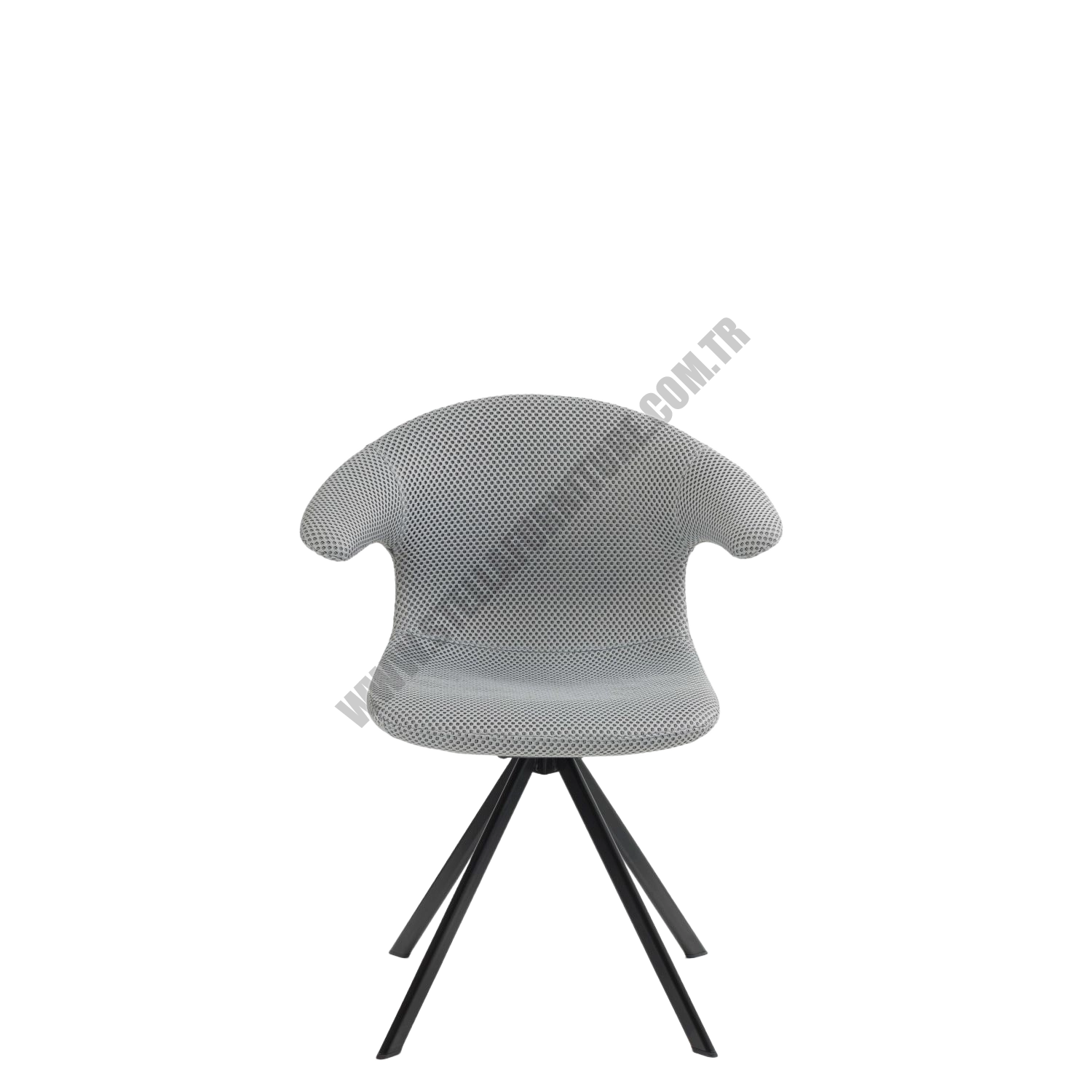
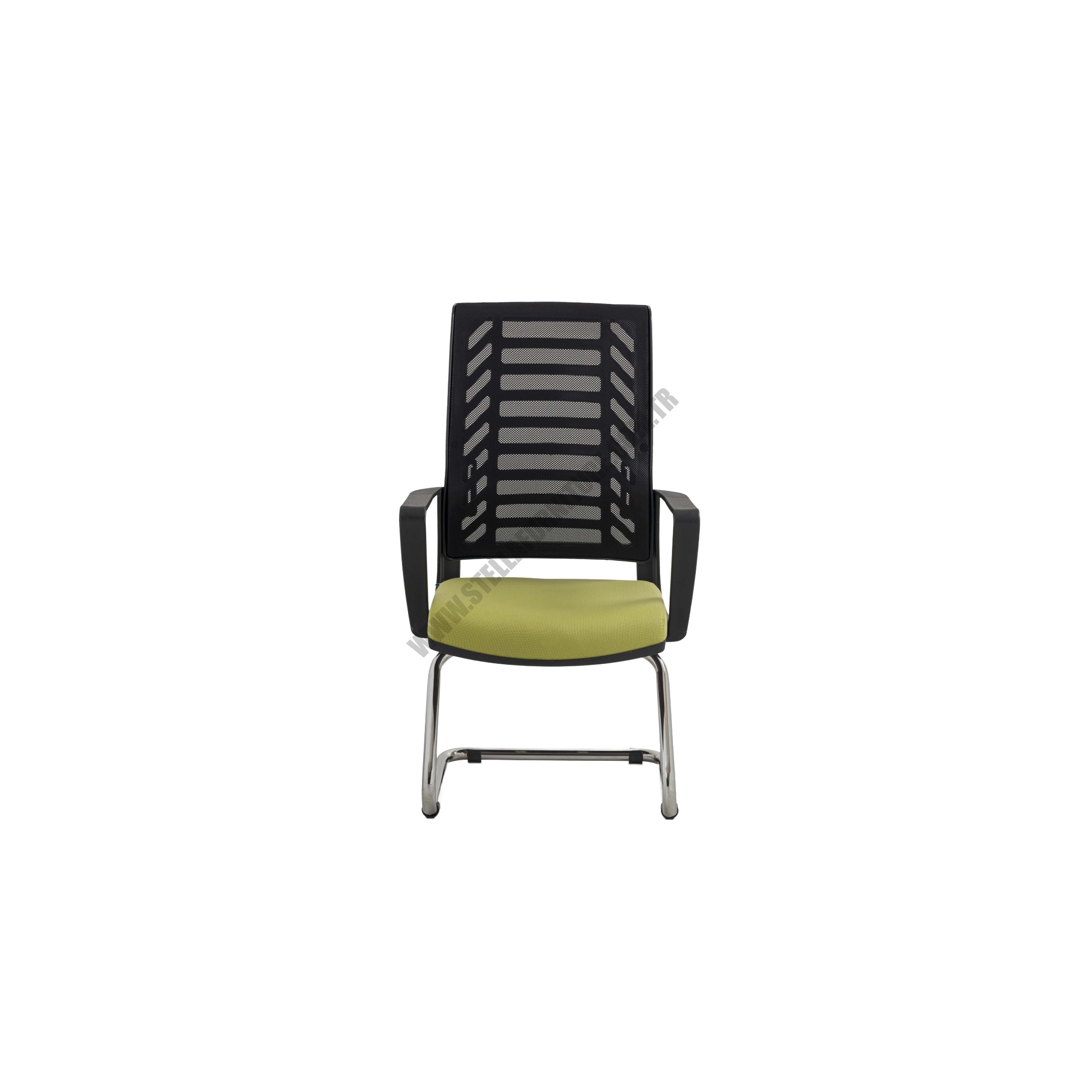
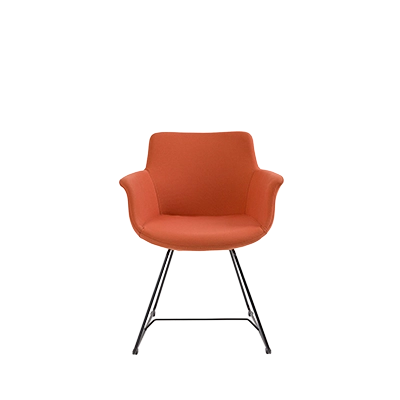
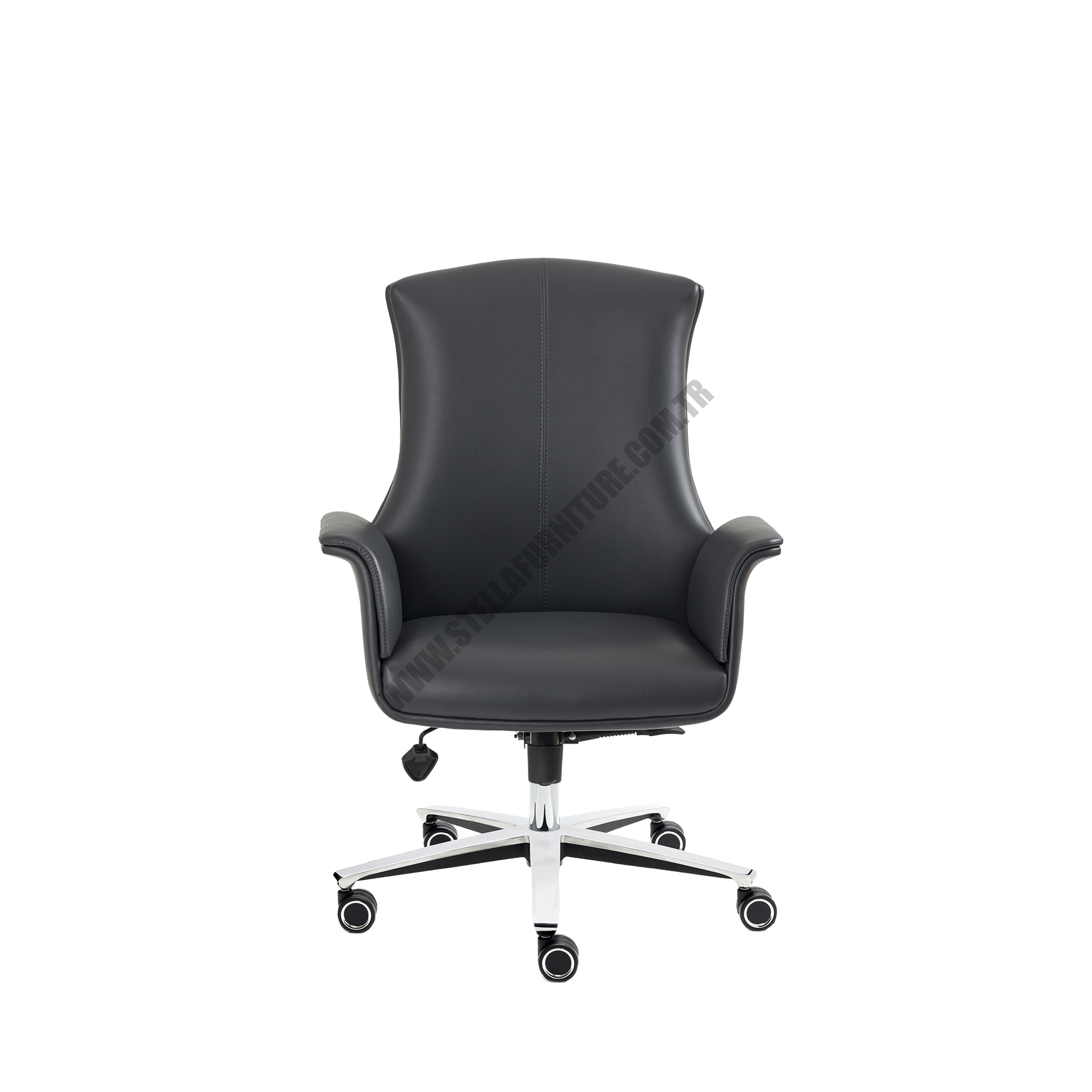
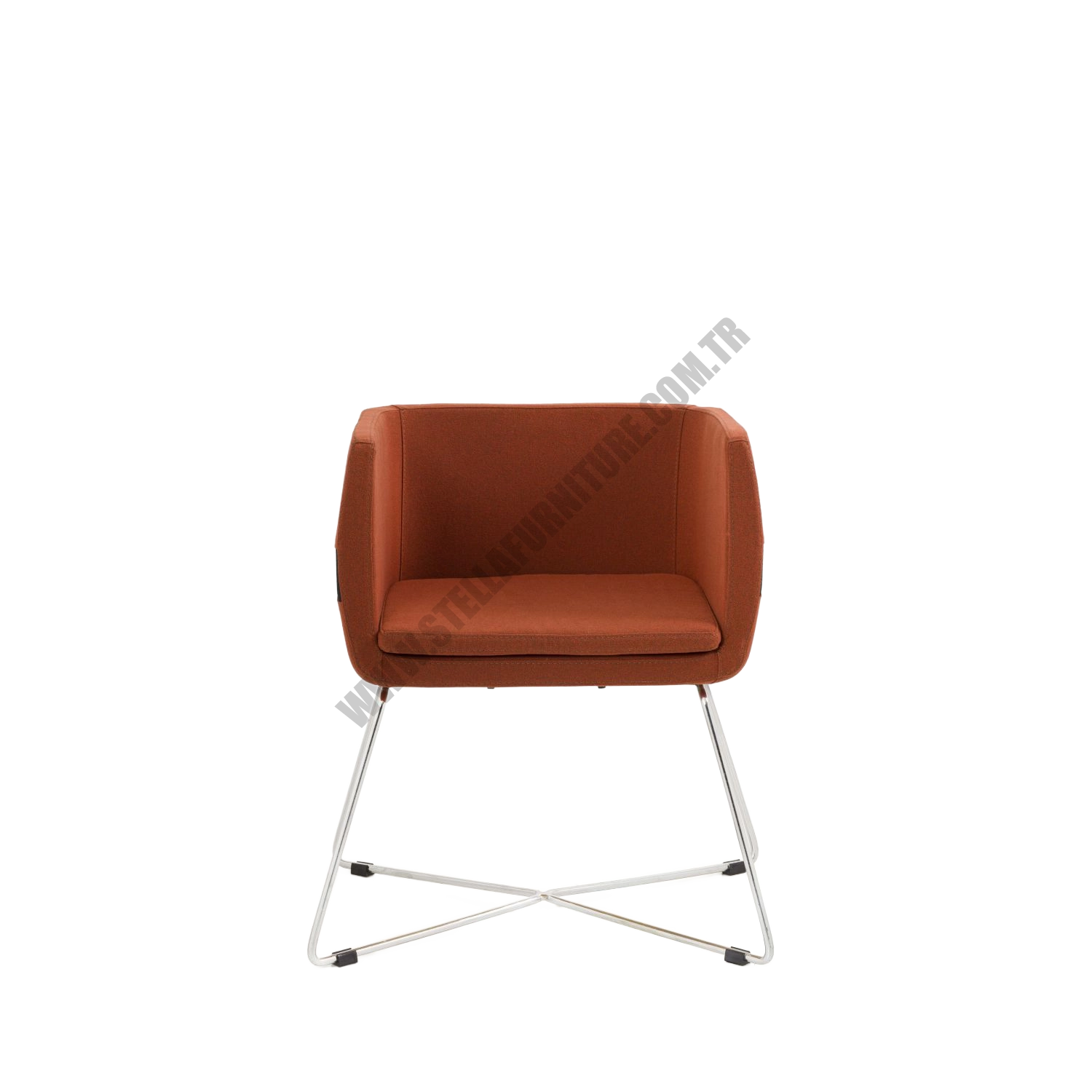
If furniture records stop at the purchase list, it can soon become difficult to identify which part belongs to which chair. Start an inventory containing model codes, quantities, locations and supplier contacts. Distinguish similar-looking models with different construction or fixings. Record upholstery, finishes and dimensions too. Aim for a file that does not rely on describing a replacement solely from a photograph.
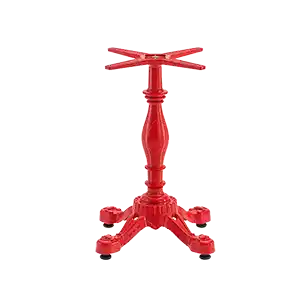
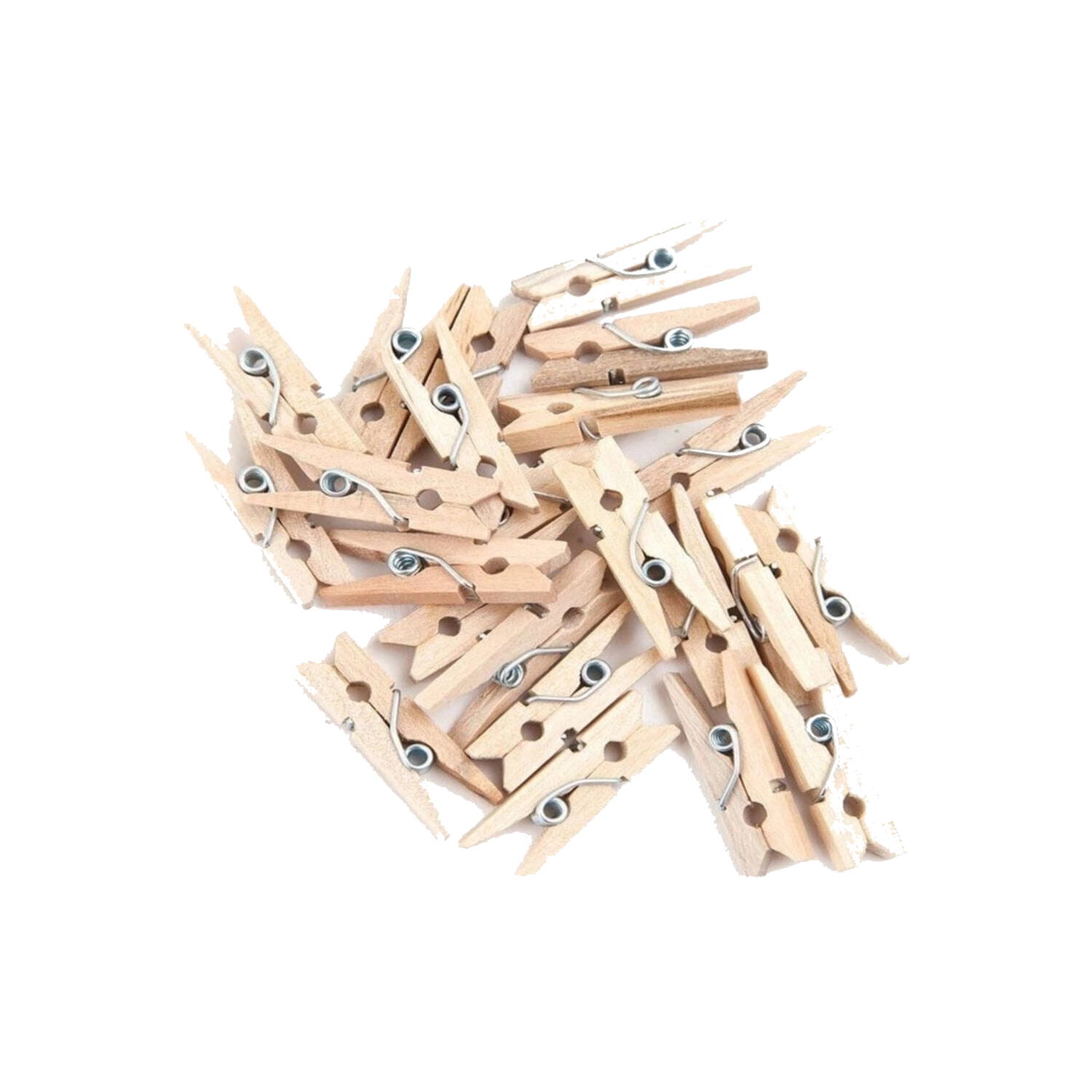
Ask the manufacturer which components are replaceable, their correct codes and the specified replacement method. Glides, screws and caps should not be assumed interchangeable across models. Leave structural or mechanical interventions to appropriate technical support. Label every stored part with its model and use. Combining similar components in one unlabelled box creates confusion precisely when they are needed.
Checks and follow-up
Set stock levels from actual operation rather than guesswork. Observe which small parts are checked or used most often and how long replacement supply takes. Count existing spares first, then record each withdrawal. Schedule checks according to use and the manufacturer's care instructions. Identify furniture with an unresolved issue and remove it from use pending the necessary assessment. Items awaiting repair should not appear as available working stock.
Four fields offer a practical start: model, compatible spare part, quantity on hand and last inspection date. Add the supplier or support contact. Build short checks into normal work instead of relying only on an occasional major count. Update the inventory whenever new furniture arrives. This keeps stock purposeful and makes the original order, approved materials and correct technical information available when replacement is needed.