




Preparation and records
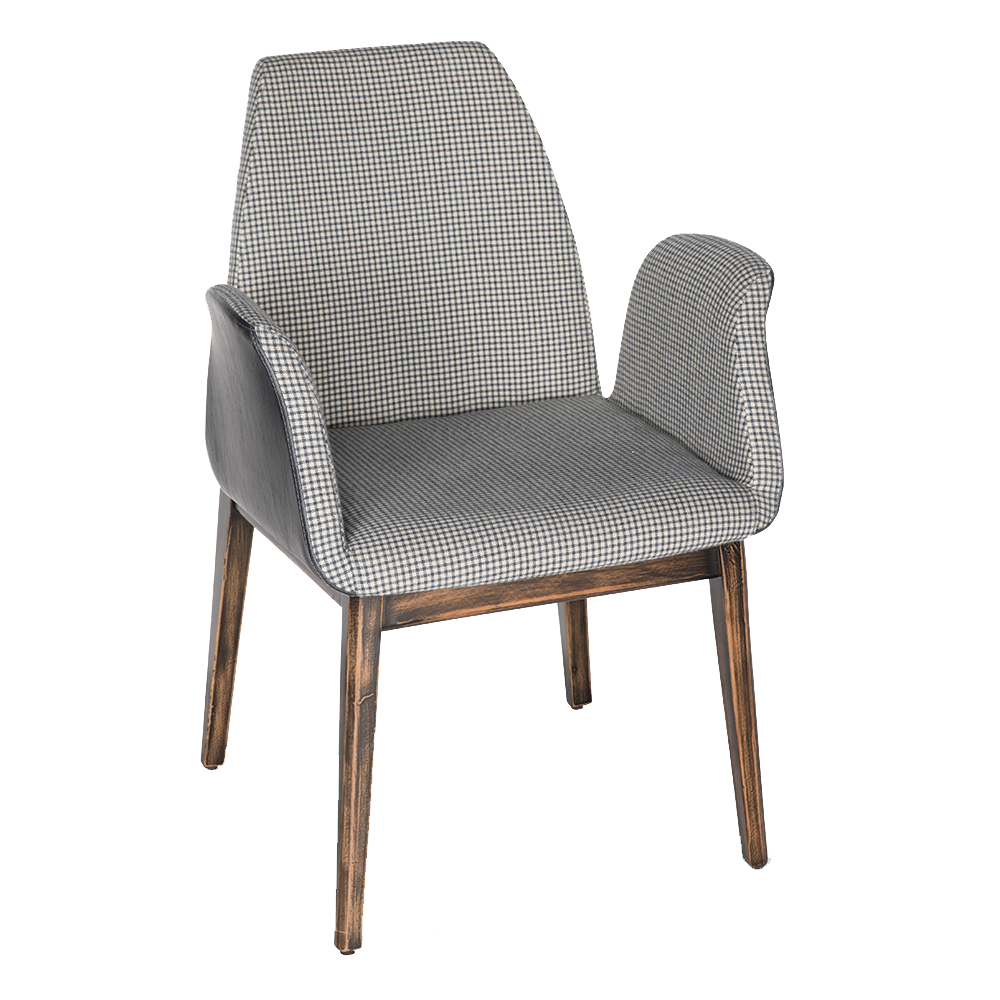
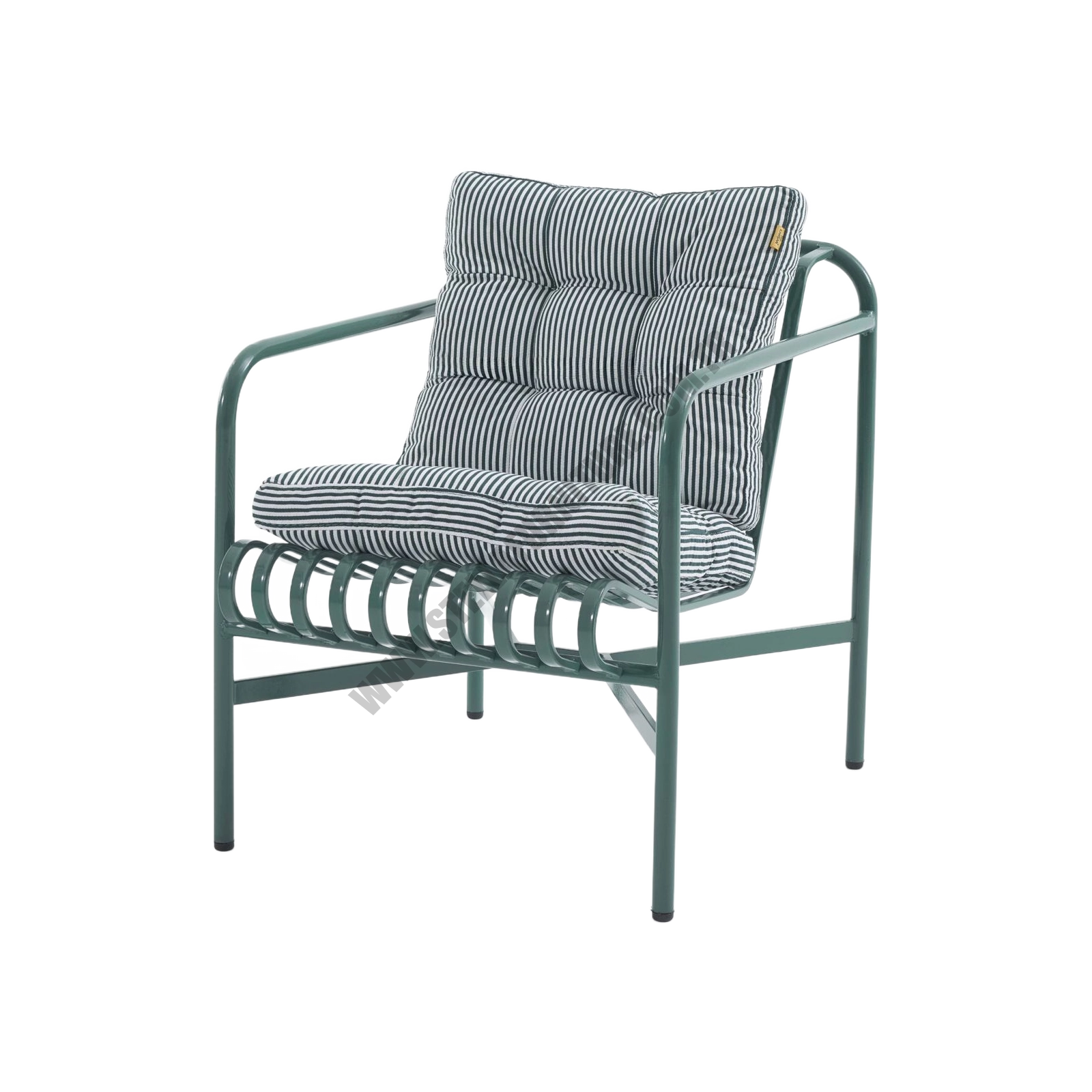
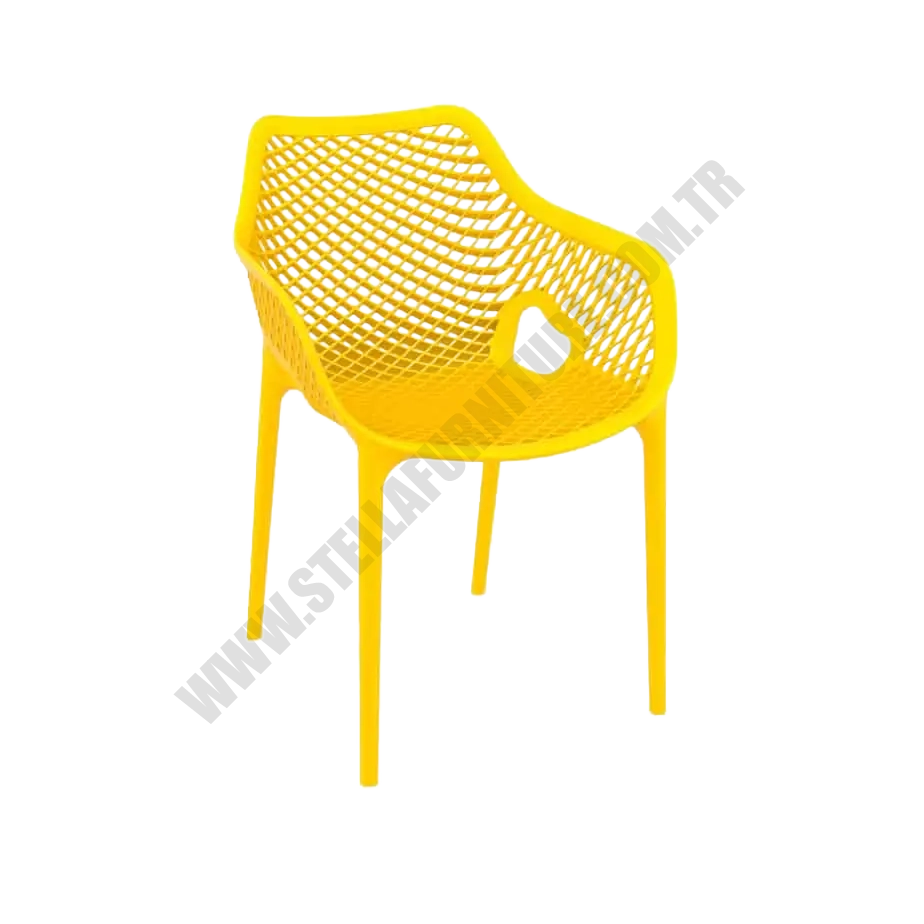
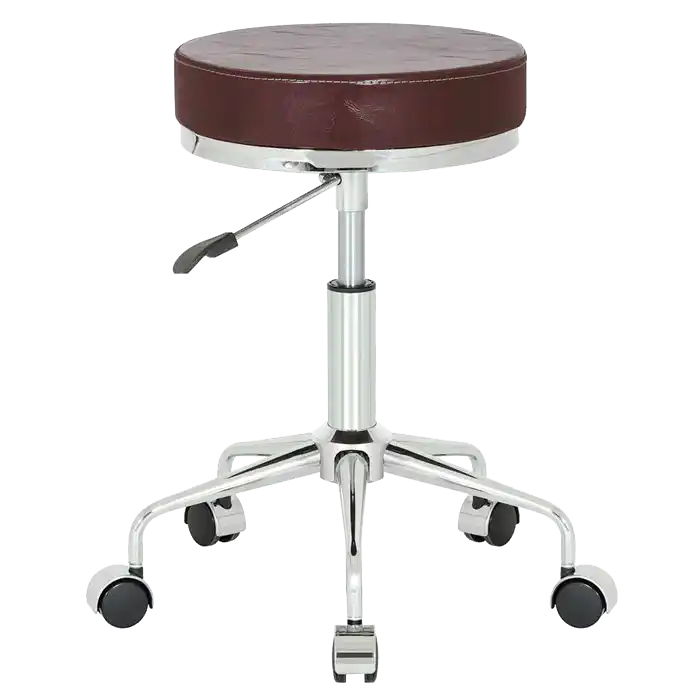
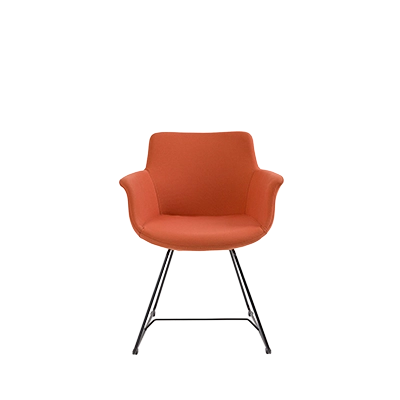
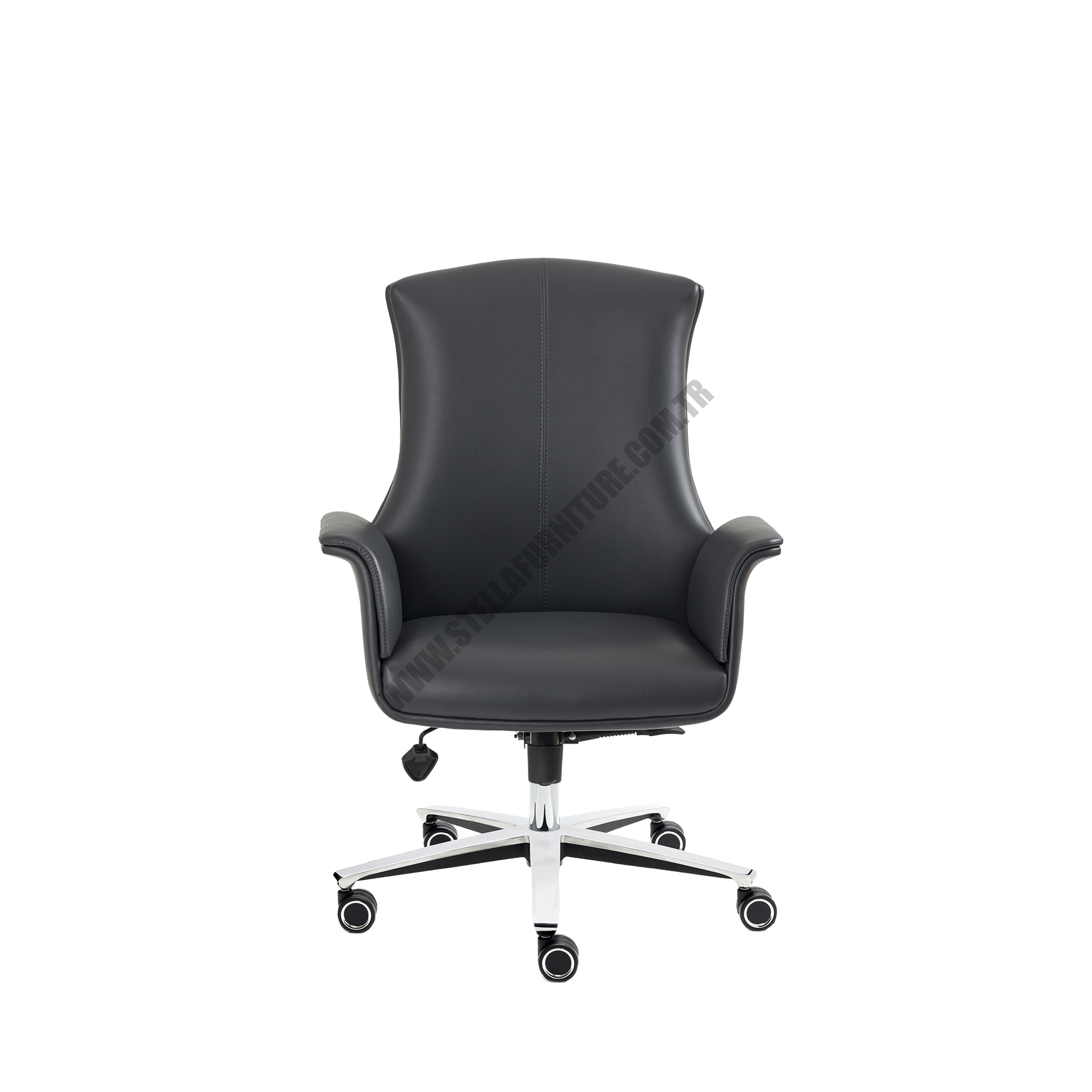
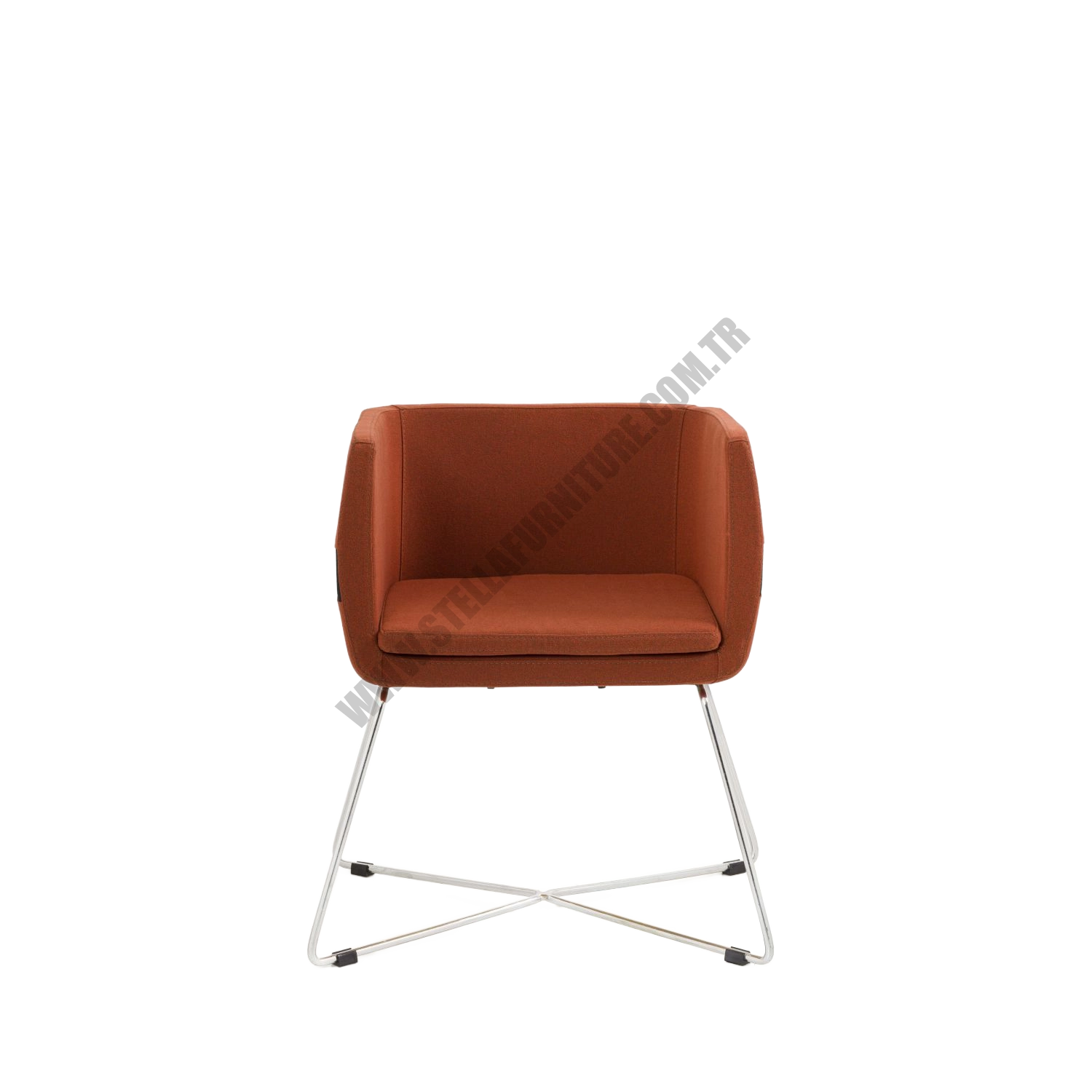
When a chair moves unexpectedly on a floor, the model alone does not explain everything. Floor material, cleanliness, surface texture and the component beneath each leg work together. One glide may behave differently on different floors. Record the floor types in the premises and the manufacturer's recommended leg components. Do not assume that an adhesive pad or another small addition is suitable in every situation.
Inspect the underside first. Is a glide missing or worn, or has dirt or a small stone become trapped? Consult both furniture and flooring care instructions before cleaning. If a component needs replacement, confirm its fixing method as well as dimensions. An improvised part of a different height may change stability. Remove a chair with movement or fixing issues from service and consult technical support.
Checks and follow-up
Test compatibility in a small representative area. Observe pulling the empty chair, getting up after sitting and moving furniture during ordinary cleaning. Reducing noise is only one aim; movement should also be predictable and consistent with the floor's care requirements. Ask the supplier and, where relevant, the flooring installer before using a new glide or pad. Follow their instructions for any trial in an inconspicuous location.
Record results by chair model and floor type: which component was fitted, when it changed and what was observed. Make inspection part of regular care rather than a response only to complaints. Keep spare glides labelled by model and reconsider the choice when flooring changes. There is no single material recommendation for every surface. Assess the chair, its compatible component and the real floor together in use.